Which Zipper Belongs on a Neoprene Article, and Why Does Attachment Matter More?
A stable, inextensible chain has to be set into a panel that moves, so every answer follows from the attachment rather than from the gauge. Coil flexes with the material, stabilising strips stop waviness, and a wider tape with a longer stitch stops tear-out.
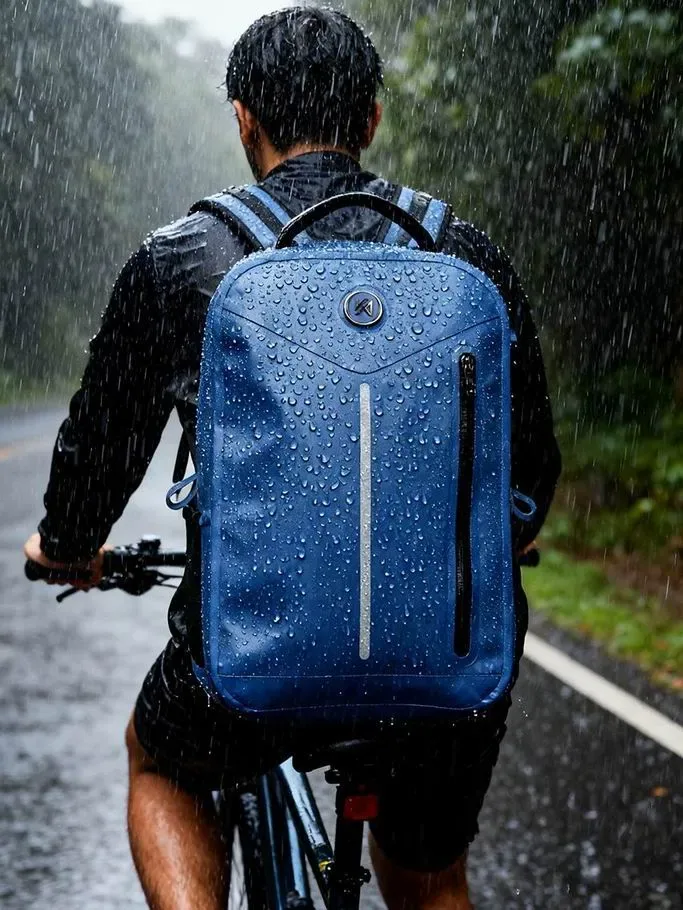
Putting a zipper into neoprene asks one question that a woven panel does not: how do you attach a stable, inextensible chain to a panel that moves? The answer decides everything else. A #3 or #5 coil sewn to the panel with the seam released underneath is the working solution for most articles; a water-repellent coil such as the water-resistant lines offered by the large hardware houses is specified where the closure has to shed rain, and it costs more and behaves differently at the seam.
Zippers are the single most returned component across soft goods, and on this material the failure arrives sooner because the panel underneath moves in ways the chain does not. A sample approved on the bench — sewn slowly, with the operator easing the foam under the presser foot — can be succeeded by a production run in which the same closure waves, jams, or tears its own attachment out. This page sets out how to choose, attach and test a closure on a stretch foam panel.
Why Is a Zipper Harder to Fit to Foam Than to Fabric?
Three reasons, and they stack. The tape is essentially inextensible while the panel is not, so any differential movement shows as waviness along the closure line. The panel is thick relative to a chain, so the two tapes have to be set either side of a section rather than tucked neatly into a seam allowance. And the panel has no stable fibre structure to hold a stitch, so the chain is being anchored into a material that locally behaves like a cushion rather than like cloth.
That third point is why the attachment matters more than the zipper itself. A good chain badly attached will fail; an ordinary chain well attached will usually survive this duty. Where a programme has money to spend on its closure, spend it on the attachment method and on stabilising the panel along the closure line rather than on a heavier gauge.
| Approach | How it is built | Where it suits | Principal risk |
|---|---|---|---|
| Sewn directly to the panel | Both tapes stitched to the panel edges with a reinforcing strip inside | Most articles; the default solution | Waviness if the panel is not stabilised |
| Sewn to a binding that also binds the edge | The zipper tape and the binding are sewn in one pass | Rim closures and opening edges | Binding roll pulling the chain out of line |
| Inserted into a seam with a facing strip | A stable strip is sewn first, then the chain is set to it | Long closures and any article cycled often | An extra component and operation |
| Water-repellent coil with a laminated tape | A coated chain and a laminated tape under a covered flap | Outdoor duty and anything carried in rain | Higher cost and a stiffer closure line |
| Reverse coil, sewn face-out | The chain is inverted so the smooth face shows | Premium presentations and curved closures | The panel still needs stabilising behind it |
| Adhesive-set or welded attachment | The tape is bonded rather than stitched | Wet duty where perforation must be avoided | Adhesive compatibility with the tape coating |
What Does the Tape Have to Do Here?
The tape carries two jobs that have nothing to do with the brand on the slider. It transmits every unit of load from the panel into the chain, so its own strength and its stitch-holding behaviour decide whether the closure tears out. And it sets how far apart the two rows of elements sit, which decides how much extension the panel can take before the chain itself begins to carry load rather than merely close an opening.
Both argue for a tape that is stable and generously wide. A narrow tape concentrates stitch load into a small band of foam, and on a stretch panel that band will eventually pull through. Widening the tape and lengthening the stitch that attaches it spreads the same load over more material, and it costs nothing beyond a slightly more visible closure line.
How Does Coil Compare With Moulded Tooth on this Material?
Coil wins here for three practical reasons. It flexes with the panel, so it does not fight the closure line every time the article is picked up. It is quieter and softer against whatever the article is carried against. And it is available in water-repellent forms, which a moulded tooth achieving the same result does very easily but at more weight.
Moulded tooth has its place on articles whose failure mode is abuse rather than flexing: a heavy equipment case, a fleet article opened hundreds of times a week, any closure that will be treated roughly. Those cases need the strength and ignore the hand. For everything else in this cluster, coil is the answer and the question is only what gauge.
What Makes a Water-Repellent Coil Different, and Where Does It Earn Its Cost?
Three elements: a coated or laminated chain face that sheds water rather than wetting out, a tape that resists taking water up, and usually a storm flap over the top because no zipper is genuinely sealed against pressure. The large hardware houses sell these lines as families with published cycle figures, which is part of what the premium buys — a number rather than a claim.
It is worth specifying where the closure faces rain or regular wet service, and it is not worth specifying where the article merely gets damp occasionally. The honest test is the article rather than the chain: spray or shower the assembled closure line and measure what appears on the inside. Where the flap is doing the work on its own, the coated chain is money spent on the wrong component.
Which Gauge and Slider Suits a 3 mm Panel?
A #3 coil on a small flat part such as a flat pouch or a slip-in sleeve; a #5 coil on the mainstream panel; a #8 only where the opening is long and loaded, because anything heavier introduces a stiffness that fights a 3 mm laminate at every corner. Going up a gauge buys less here than it does on a woven shell, because the failure moved from the chain into the attachment a long time before the gauge became the limit.
The slider matters more than its size: locking or non-locking, single or double pull, whether the puller can be replaced, and whether the slider body accepts a seal where custody is needed. On an article that will be opened with one hand while the other is carrying something, a puller that is easy to find and a slider that runs lightly decide more of the customer experience than any specification line.
- Brand and family
- Named, with the product family rather than a generic description
- Type and gauge
- Coil or moulded tooth, gauge suited to opening length and load
- Attachment method
- Named: direct, with binding, or via a facing strip
- Stabilisation
- What sits behind the panel along the closure line
- Tape width
- Stated rather than implied by the gauge
- Stitch density
- Lower than a woven equivalent, stated per 25 mm
- Slider and puller
- Locking or plain, material, replaceable, stated
- End construction
- How each end of the chain is finished and stopped
- Water behaviour
- Whether water-repellent, tested on the assembled article
- Cycle figure
- Stated minimum, tested wet and dry
How Do You Keep a Zipper from Waving on a Stretch Panel?
By stabilising the panel behind the closure rather than by pulling the chain straight while sewing it. A strip of stable material — a light woven tape, or a strip of the same face fabric set at a different grain — sewn along each side of the closure removes the extension where the chain needs stability and leaves it everywhere else. It is invisible in use and it is the difference between a closure line that stays straight and one that ripples after a week.
The other half of the answer is to sew the tape to the panel with the panel relaxed rather than stretched. An operator who eases the foam under the foot, or who pulls slightly to keep the line straight, is building pre-tension into the closure; release it and the panel takes up its slack, taking the chain with it. Specify the seam allowances, specify that the panel is fed flat, and check for the straightness of the closure line on a resting unit rather than on one held taut on the bench.
What Are the Failure Modes Specific to Neoprene Zippers?
Five, in descending order of frequency. Waviness along the closure line, from differential extension and usually from pre-tension during sewing. Tape tear-out, where the stitches pull through the foam because the tape was too narrow or the stitch too dense. Slider jamming from fine material in the chain, which on this material is often fibres shed by the face fabric itself rather than dirt from outside. Corners, where the closure turns through ninety degrees into four or six layers. And eventually, elements popping open behind the slider when the panel is loaded beyond what the closure was dimensioned for.
Each has a different answer and none is solved by a better brand of chain. Waviness wants stabilisation; tear-out wants a wider tape and fewer stitches; jamming wants a cover flap and a chain that sheds debris; corners want a lighter gauge or a neatly radiused pattern; and popping wants either a bigger gauge or a rethink of how much load the closure is being asked to carry.
Fitting a closure to a moving panel
- Attachment beats brand: a good chain badly attached fails, an ordinary chain well attached survives.
- Stabilise the panel behind the closure rather than pulling the chain straight at the machine.
- Sew with the panel relaxed, so no pre-tension is built into the line.
- Widen the tape and lengthen the stitch: both spread load over more foam.
- Test water behaviour on the assembled article, not on the chain.
How Should the Zipper Line Be Detailed at the Ends?
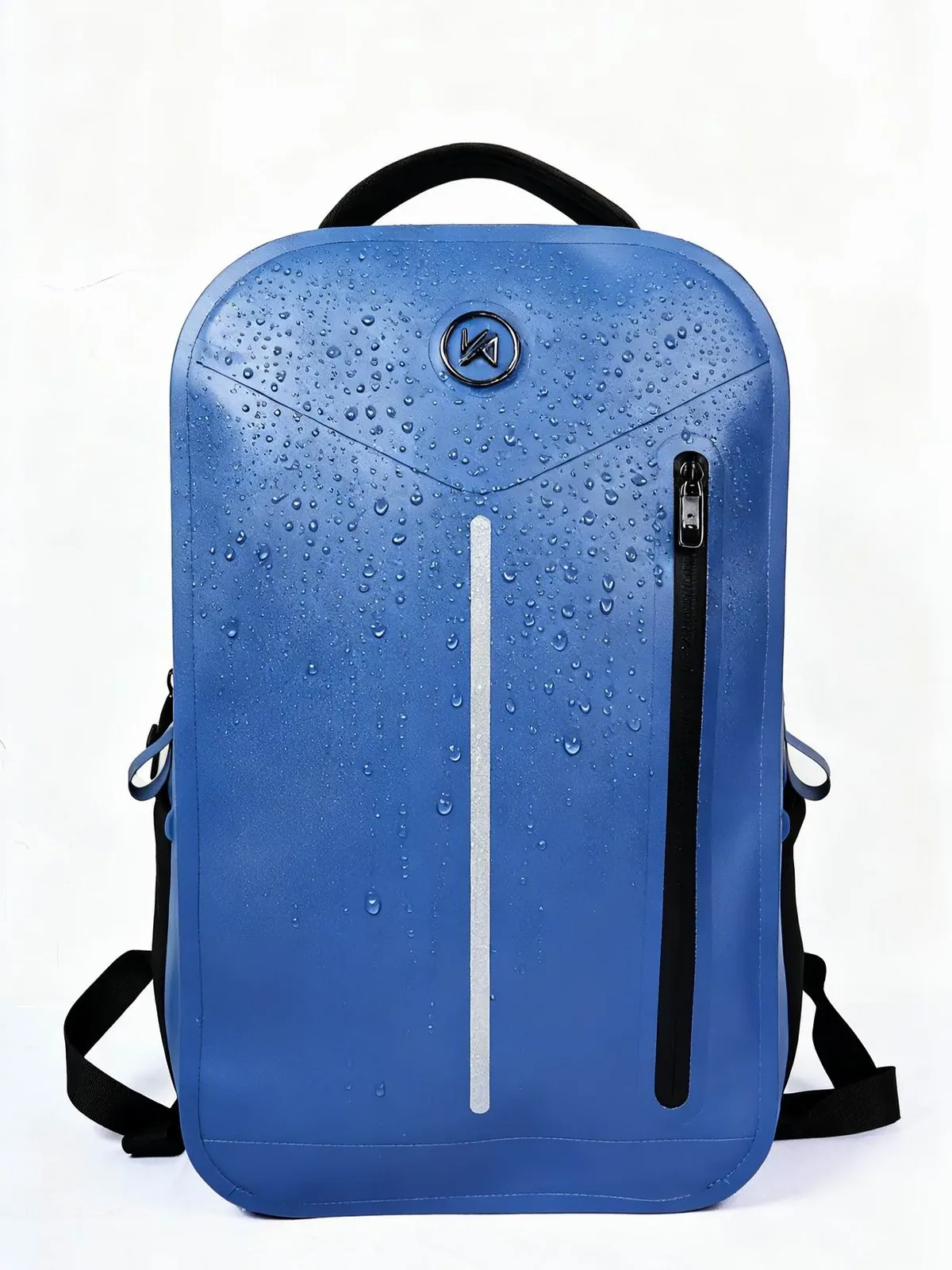
The ends decide more than the middle, because that is where the slider stops, where the load concentrates, and where the chain meets the binding. Two details are worth specifying. A garage at the closed end — a small pocket or flap that receives the slider when the article is shut — keeps the puller from catching on other goods and takes lateral load off the stop. And a positive stop that actually stops, rather than relying on the last stitch of the tape.
At the open end, decide what happens when the article is undone fully. A chain that separates entirely lets the two halves splay and puts all the load into the panel; a closed-end chain keeps everything connected and is usually better on a soft article even where a separating chain would be conventional elsewhere. And either way, the last few centimetres of tape need the same stabilisation as the rest of the line.
Which Tests Verify the Closure?
Strength of the chain, slider and stop is covered by ASTM D2061, which is the right reference to cite for the component. What it does not cover is the attachment to the panel, which is where the failures actually happen, so add a clause testing the assembled article: cycle the closure a stated number of times, load the article to its working weight, cycle again, and inspect for waviness, tear-out and popping. Run it wet and dry.
Then run the two adversarial variants that every warranty department eventually meets. The over-packed test: fill the article beyond its stated capacity and operate the closure, which sets the acceptance figure for real use. And the one-handed test: hold the article loaded and work the closure with the other hand, which usually discovers a puller problem nobody specified.
| Verification | What it catches | How to run it | Suggested acceptance |
|---|---|---|---|
| Component strength to ASTM D2061 | Chain, slider and stop failures | Standard methods on the chain itself | The published figure for the family |
| Attached-cycle test | Tear-out and jamming | Stated cycles, loaded, then inspected | No stitch failure or detachment |
| Wet cycle test | Corrosion and stiff action | The same count after wetting the closure | Action unchanged after drying |
| Over-packed closure test | Popping under lateral load | Beyond stated capacity, operated five times | No element opening behind the slider |
| Water spray on the assembled line | Leakage at the closure | Stated spray rate and duration, inspected inside | No wetting beyond a stated area |
What Does the Closure Do to Cost and to the Line?
Hardware is often the most expensive single component on a soft article after the panel itself, and it is the one with the longest lead time where something is not in stock. A named brand and family usually costs a small premium over an anonymous chain of the same gauge, and what it buys is a published cycle figure and a restricted-substance declaration, both of which belong in the compliance file rather than in the sampling room.
Line cost is where the money actually is. Setting a closure into a stabilised panel with facing strips, a garage and a cover flap is several operations beyond sewing a chain into a seam, and on a small article those operations are a meaningful share of the labour content. Decide which of them the duty really needs rather than specifying them all by default.
Programme numbers are unchanged by the closure choice: MOQ 500 pcs per style and colourway, sampling 6-10 working days from a signed-off tech pack, bulk production 35-50 days from sample approval, inspection at AQL 2.5 under ISO 2859-1 General Inspection Level II, T/T 30/70, quoted FOB Xiamen. What a named closure does add is sourcing time: a non-stock slider or puller is a sourced component with its own lead time and it moves the sampling window toward 12-15 working days.
Specify the attachment, not just the chain
Send the opening length, the duty and whether wet service is involved. You get a closure specification with the cycle and load tests behind it, within one business day.
Frequently Asked Questions
Which zipper works best on neoprene?
A coil chain, sewn to a stabilised panel with a facing strip behind it. Coil flexes with the material; moulded tooth fights it and is reserved for heavy abuse duty.
What gauge should a neoprene zipper be?
A #3 on a small flat part, a #5 on most panels, and a #8 only on a long, loaded opening. Anything heavier fights a 3 mm laminate at every corner.
Why does my neoprene zipper wave?
Differential extension between an inextensible tape and a stretch panel, usually made worse by pre-tension built in while the chain was sewn.
How do I stop a zipper tearing out of neoprene?
Widen the tape, lengthen the stitch so it spreads load over more foam, and stabilise the panel behind the closure line with a facing strip.
Is a water-repellent coil worth specifying?
Where the closure faces rain or regular wet service, yes. Where it gets damp occasionally, a cover flap does the work for less money.
Can a zipper be welded rather than sewn to neoprene?
Sometimes, where adhesive compatibility with the tape coating is established. It avoids perforation and suits wet duty, but it needs proving at sampling rather than assuming.
Why does my slider jam?
Usually fine material in the chain, and on this material that is often fibres shed by the face fabric rather than dirt from outside.
What is a garage on a zipper?
A small pocket or flap at the closed end that receives the slider when shut. It keeps the puller from catching on things and takes lateral load off the stop.
Which standard covers zipper strength?
ASTM D2061 covers the chain, slider and stop as components. Add a buyer clause testing the attached closure loaded and cycled, wet and dry.
Should the opening separate fully?
On a soft article a closed-end chain is usually better, because it keeps both sides connected and stops the load going into the panel.
What is the MOQ for an article with a named closure?
MOQ 500 pcs per style and colourway, with repeat programmes open to discussion at 300 pcs.
Does branded hardware slow sampling?
Yes. A non-stock slider or puller is a sourced component with its own lead time, moving sampling toward 12-15 working days.
Should the closure be field-replaceable?
Where the duty is fleet or institutional, yes. A design allowing the slider to be replaced without unpicking the seam turns a scrapped article into a repair.
What documents should the hardware supplier provide?
A published cycle figure and a restricted-substance declaration covering the current candidate list.
People Also Ask
What zipper is used on neoprene?
A coil chain, because it flexes with the panel. Attachment and stabilisation matter more than the gauge.
Why do zippers wave on neoprene?
The tape cannot extend and the panel can, so any differential movement shows along the closure line.
How do you attach a zipper to neoprene?
To a stabilised panel with a facing strip behind the closure, sewn with the material relaxed rather than pulled.
Is a waterproof zipper worth specifying?
Where the closure faces sustained rain, yes. Otherwise a cover flap does most of the work.
How many cycles should a neoprene zipper last?
Ask for the published figure for the family, then require it tested wet and dry on the assembled article.
Sources and further reading
Every figure on this page is either our own programme data or attributed below. Open the originals before you write them into a specification.
- ASTM D2061 — Standard Test Methods for Strength Tests for ZippersASTM International
- ISO 2859-1:1999 Sampling procedures for inspection by attributesInternational Organization for Standardization
- REACH — Registration, Evaluation, Authorisation and Restriction of ChemicalsEuropean Chemicals Agency