This site is a purchasing decision tool covering six custom bag categories: cooler and insulated, camera and equipment, team kit, wine and bottle, neoprene, and drawstring. Each publishes the same locked figures — MOQ 500 pcs per style and colourway, sampling in 6-10 working days, bulk in 35-50 days from sample approval, and inspection at AQL 2.5 under ISO 2859-1, FOB Xiamen.
Six open categories. MOQ 500 pcs per style and colourway, 300 pcs on a repeat. Sampling 6-10 working days, 12-15 for complex builds. Bulk production 35-50 days from sample approval. Inspection AQL 2.5 under ISO 2859-1 at General Inspection Level II. T/T 30/70. FOB Xiamen, with CIF and DDP available. What comes back from an enquiry is a plan with evidence attached, not a promise you are asked to believe.
What Runs Behind These Pages: A Catalogue Or A Calculable Purchasing Path?
KEEP PERFECT BAGS is a purchasing decision tool rather than a picture gallery. Every page is written for the person who has to sign a purchase order and then explain the outcome to somebody else: what the specification has to contain, what each number means, which standard governs the inspection, and what the goods cost by the time they sit on a pallet in your warehouse.
The programmes behind it are coordinated by QUANZHOU JUNYUAN BAGS, a sourcing and programme-management company working with an SGS-validated partner production facility in Quanzhou, Fujian. That sentence is careful about its verbs on purpose. We plan the programme, we hold the schedule, we coordinate production, we run the inspection and we publish the figures. What nobody here does is claim ownership of the floor the orders are built on, because that would be the first figure on this site a visitor could not check.
Six categories are open for specification, and each has its own page because each is specified by a different variable. Cooler and insulated bags are specified around foam thickness and liner construction. Camera and equipment bags around padding schedules and a drop protocol. Team kit bags around capacity and colour matching. Wine and bottle bags around bottle fit and impact testing. Neoprene bags around sheet thickness and seam method. Drawstring bags around fabric weight, eyelets and print area.
What those six pages share is not the products, it is the arithmetic. Every one of them quotes the same figures, because those figures come from the same production planning discipline: MOQ 500 pcs per style and colourway, sampling in 6-10 working days, bulk in 35-50 days from sample approval, and inspection at AQL 2.5 to ISO 2859-1. The differences between the six categories sit in the specification, not in the schedule.
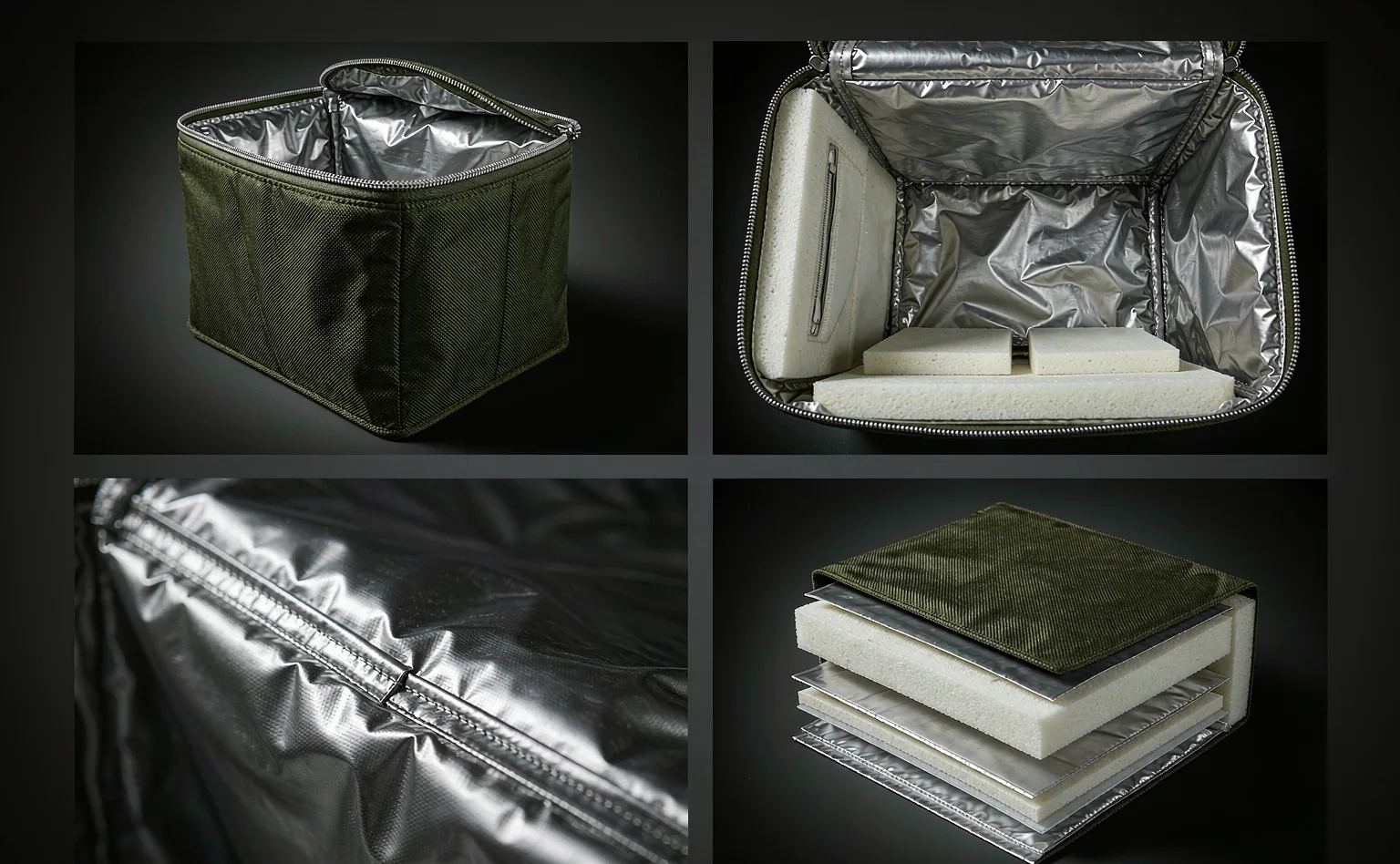
What Is This Site Not: A Shop, A Stock List Or A Cleaning Guide?
There is nothing to buy here at retail, and the reason is structural rather than stylistic. Every order on this domain is a build order: a technical pack, a material bill, a sample round, a production slot and an inspection against a published standard. A one-piece order cannot be planned that way, so it is not offered. There is no stock programme behind it either — goods are built against an approved sample, not pulled from a shelf.
There are no care tutorials here either. Cleaning guides, product reviews and seasonal round-ups are shopping-period content, and this site is written for the buyer whose order carries a purchase order number and a launch date. Writing the first kind of article next to the second would dilute the only thing this domain is good at: giving a professional buyer figures that survive a meeting.
Two other topics are deliberately absent. There is no general guide to factory audits and no generic explanation of what a minimum order quantity is. Those belong to other operations in the group, and re-running them here would compete with the pages that actually explain this programme. What you get instead is specific: how the six open categories are specified, why the windows are what they are, and what a shipment costs once it lands.
Can You Calculate A Delivery Date, Or Only Be Promised One?
A date you have to believe and a date you can calculate are different products. The first is a figure somebody typed into an email. The second is a sequence of gates, each with an owner, each with evidence, each checkable before the next one opens. This programme publishes the second kind, and the signature line of the site is the short version of that idea: we do not promise the fastest 20 days, we promise a delivery date you can calculate.
Four gates decide the date, and only two of them belong to us. Gate one is specification lock: internal dimensions, materials, hardware, colourways, artwork files and the test protocol, all written down. Gate two is sample approval, and it starts the clock on bulk rather than ending it. Gate three is material booking, which cannot begin before approval because fabric and trim lots are bought against a confirmed bill of materials. Gate four is the production slot, which is a real reservation on a real line.
Why bulk bags take 35-50 days, not 20 takes that apart line by line, including the part most quotations leave out: the constraints on the schedule are material lead times and the queue for printing and embroidery setups, not the sewing line. Taking three days out of sewing does not move the shipment date if the trim lot has not landed yet.
Does AQL 2.5 Mean Anything Without A Sampling Table?
Every supplier in this field can type AQL 2.5 into a quotation. Very few attach the table that turns those four characters into a decision. AQL 2.5 by itself does not tell you how many cartons to open, how many units to pull, or at which count the lot fails. ISO 2859-1 does, provided the plan also states the inspection level and the lot size it is drawn against.
The plan written into our purchase orders is single sampling, normal inspection, at General Inspection Level II, with the switching rules to tightened inspection that the standard defines. Stated properly it looks like this, and it is the difference between a clause that reads well and one a third-party inspector will actually apply on the floor.
| Lot size (pcs) | Code letter | Sample size | Accept | Reject |
|---|---|---|---|---|
| 281-500 | H | 50 | 3 | 4 |
| 501-1,200 | J | 80 | 5 | 6 |
| 1,201-3,200 | K | 125 | 7 | 8 |
| 3,201-10,000 | L | 200 | 10 | 11 |
| 10,001-35,000 | M | 315 | 14 | 15 |
| 35,001-150,000 | N | 500 | 21 | 22 |
Then there is the level itself. Some competitors quote AQL 1.5 as though tighter were automatically better. AQL 1.5 sits outside the tier structure most inspectors and inspection software already work to, which turns every disagreement into a negotiation instead of a reading of the table. AQL 1.5 against AQL 2.5 sets out that argument, and the AQL sampling table generates the exact row for your lot size.
The fourth piece is what happens on a failure, and it has to be written before production rather than after. Our standard position is that a failed lot is either fully sorted at the origin, reworked and re-presented once, or rejected and rebuilt, and the choice belongs to the buyer because each carries a different date consequence. Whichever path is chosen, the report is a count against a table, not an argument about taste.
What Does The Order Cost By The Time It Reaches Your Warehouse?
Unit price is the figure in the quotation and the smallest part of the answer. Landed cost is unit price plus everything between the production floor and your dock, and two of those lines sit entirely outside a supplier quotation: destination handling and duty. A programme that helps you plan those lines is worth more than one that shaves a cent off a seam.
The arithmetic runs to nine lines and none of them is optional: unit price, inland haulage to port, origin charges, freight on chargeable weight, insurance, destination handling, duty at the rate your broker confirms, inland delivery, and the cost of the money while it is on the water. Classification comes first of all, because the duty rate follows the tariff line, and the line follows the outer surface and the construction of the bag rather than what the buyer calls it.
| Cost line | Who controls it | What usually goes wrong |
|---|---|---|
| Unit price | The specification | Quoting before the tech pack is frozen, then repricing after every change |
| Inland haulage to port | Origin logistics | Assuming the port is next to the production base, or booking after cut-off |
| Freight | Lane and mode | Chargeable weight exceeding actual weight on padded or insulated goods |
| Insurance | Whoever carries the risk under the agreed rule | Nobody insures it because each side assumed the other party did |
| Destination handling | Your forwarder | A fixed fee that turns out to be charged per shipment and per line |
| Duty | Your confirmed tariff line | Reusing a classification carried over from a different product |
| Inland delivery | Your warehouse appointment | No unloading equipment booked for palletised delivery |
Two tools carry this work. The HS code finder pins the line from the construction and the outer surface of the bag, and the landed cost calculator turns that into a figure per unit. Default quotations are FOB Xiamen because that allocation of risk is the easiest one to audit, but FOB is not always right on every lane; the Incoterm decision tool says when it is worth switching.
Five things worth taking away before you request a quotation
- The six figures are the same on every page here, and nobody has discretion to move them for a nicer conversation: MOQ 500 pcs, sampling 6-10 working days, bulk 35-50 days, AQL 2.5, T/T 30/70, FOB Xiamen.
- Bulk lead time is measured from sample approval, not from the day you send the enquiry, and the sentence in your contract should say exactly that.
- An inspection clause without a sampling table, an inspection level and a lot size is decoration. Ask for the code letter.
- Two landed cost lines sit outside the supplier quotation entirely: destination handling and duty at your confirmed tariff line.
- A fast promise that cannot be checked costs more than a slower one that can, because only one of them lets you plan inventory.
- Ask for the evidence at each gate before the gate closes, because asking afterwards means asking for photographs of something already packed.
Which Six Programmes Are Open For Specification Today?
Six categories are open, and the reason each exists separately is that each fails in a different way when it is specified badly. A cooler bag fails at the seam. A camera bag fails at the divider. A team kit bag fails at the colour match on run five. Read the one that matches your failure mode and you will know within two minutes whether the rest are worth your time.
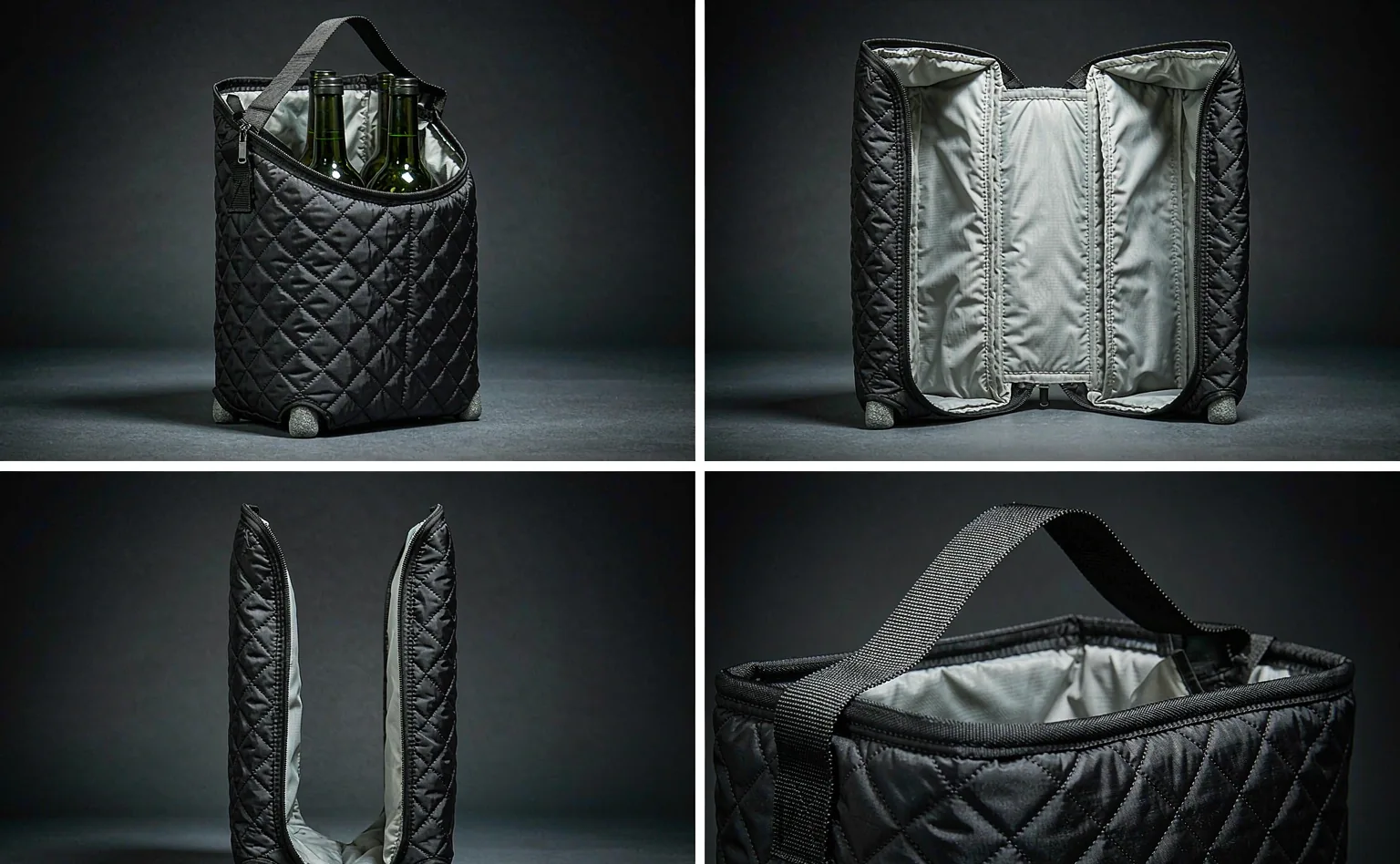
Cooler and insulated bags
Specified around foam thickness, liner construction and seam sealing, then verified against a temperature-hold test that states start temperature, ambient and duration.
Camera and equipment bags
Specified around the kit rather than the camera body: divider thickness by compartment, cradle geometry for long lenses, and a written drop protocol.
Team kit bags
Compartment count, capacity, colour matching method and decoration method decide both the unit price and how closely run five can be made to match run one.
Wine and bottle bags
Bottle fit, divider construction and impact behaviour for one, two, three or six bottles, plus the closure and base that decide whether it gets carried.
Neoprene bags
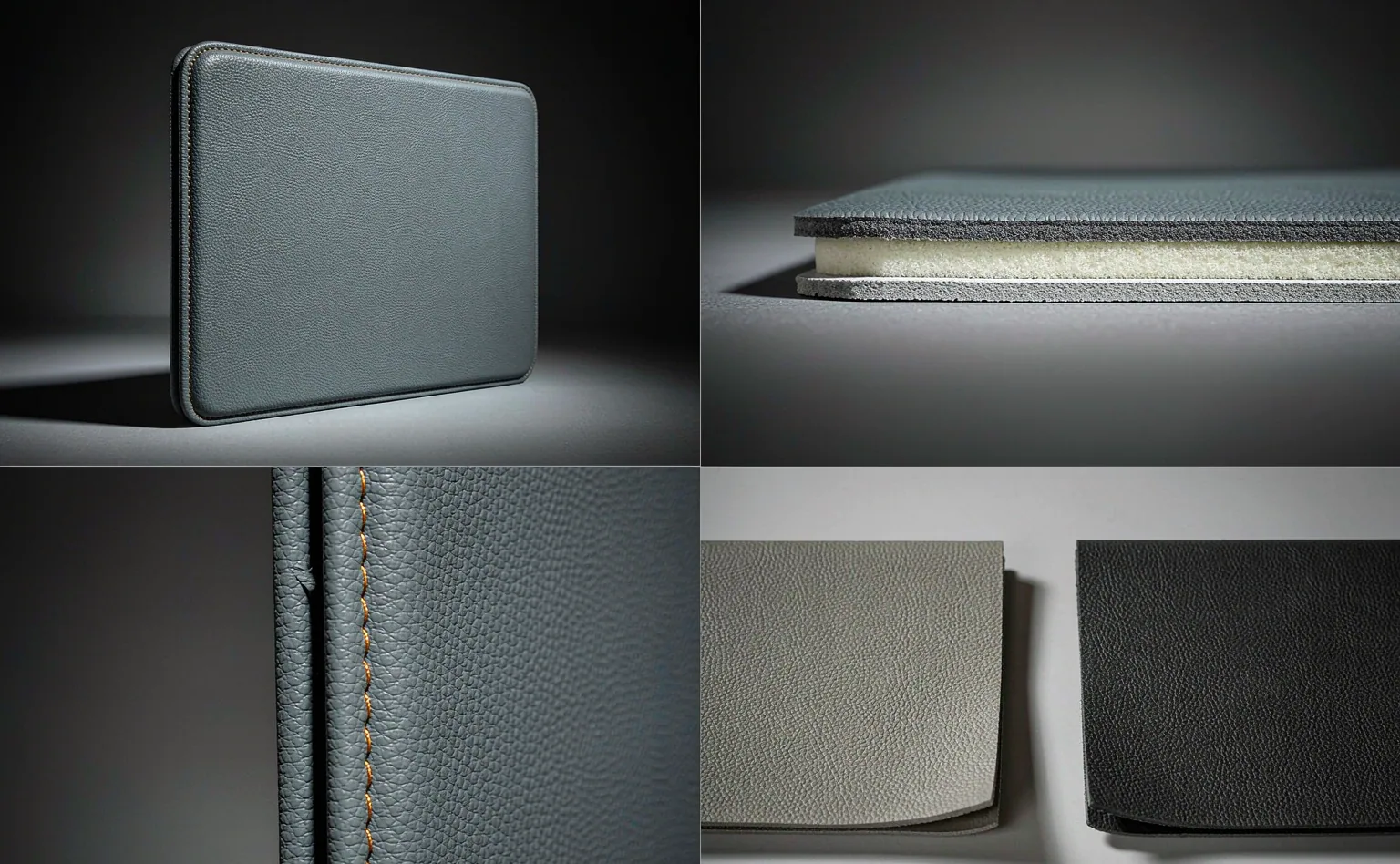
Sheet thickness, CR against SBR, seam method and stretch recovery — four variables that decide fit, shape retention and what the bag costs.
Drawstring bags
Fabric weight, eyelet specification, cord construction and print area decide whether the bag survives its first load or splits at the first channel.
What Are The Locked Programme Parameters?
These figures are published on every page of the site and they do not move for a nicer conversation. Locking them is not rigidity; it is the condition for being able to plan anything downstream. A buyer who knows that sampling takes 6-10 working days and bulk takes 35-50 days can book freight, retail space and photography. A buyer who was told two weeks is told nothing.
- MOQ
- 500 pcs per style / colourway (300 pcs on a repeat)
- Sampling
- 6-10 working days (12-15 for complex builds)
- Bulk production
- 35-50 days from sample approval
- Inspection
- AQL 2.5, ISO 2859-1, General Inspection Level II
- Payment
- T/T 30/70
- Incoterm
- FOB Xiamen (CIF / DDP available)
- Capacity reference
- 200,000 pcs per month across 7 production lines
- Programme running since
- 2014
Two of those figures attract the most argument, so here is the reasoning. MOQ 500 pcs exists because every style carries setup cost that does not fall with quantity: pattern making, cutting dies, print screens or embroidery digitising, plus the minimum lot the fabric and trim sources will sell. At 500 pcs those costs amortise into a unit price a brand can sell against; below it they dominate and the unit price stops meaning anything.
And 35-50 days is not padding. It is material lead time plus production plus inspection plus documentation, laid out in the timeline below. Our competitors who quote 20 days are usually quoting only the sewing portion of that sequence, which is why their dates move and ours do not.
What Happens Between Your Enquiry And The Shipment?
Every stage has an elapsed figure, a deliverable, and something that can stall it. Publish all three and the schedule becomes a document two parties can argue about honestly rather than a date one party defends. The two rows that most often slip are the two controlled by the buyer: sample approval returned without internal comments, and artwork supplied late.
| Stage | Elapsed | What you receive | What stalls it |
|---|---|---|---|
| Tech pack review | 1-2 working days | Written scope, size and material notes, and a list of open questions | Missing internal dimensions or no target quantity |
| Indicative quotation | 2-3 working days | Unit price band, MOQ confirmation, sampling window and an exclusions note | Undefined colourway count |
| Sampling | 6-10 working days | Two counter samples with construction notes and a redline sheet | Waiting on artwork approval on the buyer side |
| Sample approval | Your decision | Golden sample sealed and countersigned, referenced in the production file | Approving from photographs rather than from the physical sample |
| Material booking | 3-5 working days after approval | Fabric, webbing and trim lots reserved against the confirmed bill of materials | Changing a colourway after lots are booked |
| Bulk production | 35-50 days from approval | Weekly build report with photographs at cutting, assembly and packing | Artwork or colour change after cutting has started |
| Inspection | 1-2 working days inside the window | ISO 2859-1 report showing sample size, defects found and accept or reject | Skipping inspection to save one day on a fifty-day programme |
| Balance payment and customs entry | 3-6 working days | Document set: invoice, packing list, bill of lading and inspection report | Bank detail changes requested by email rather than verified by phone |
Read the elapsed column downward and the arithmetic adds up to something a merchandiser can plan around: roughly eight to twelve working days before the sample round starts, the sampling window itself, then 35-50 days from approval, then paperwork. Nothing in that sequence is hidden, and nothing in it improves because somebody asked cheerfully.
Why Is Bulk 35-50 Days When Everyone Else Promises 20?
Because 20 days is a sewing figure and not a shipping figure. Sewing is genuinely fast once everything is in the building. Everything before it — fabric arriving from the mill at the ordered width and coating, printed panels curing, custom hardware landing, inspection instrument calibration — is what actually sets the date, and none of it can be compressed by asking the line to work a Saturday.
The honest version has a shape. Materials take the first block of days because they are bought against a confirmed bill of materials and against lot minimums that belong to the mill, not to us. Cutting, printing or embroidery and assembly take the middle block. Final inspection under ISO 2859-1, packing to the carton specification and container loading take the last block, and rushing any of them is how a fifty-day programme turns into a fifty-day programme plus a rework round.
There is also a question people rarely ask out loud: what happens to the rest of the book when one order jumps the queue? A scheduled order that is pushed back is a delivery promise broken somewhere else, so queue positions are published and held. The full argument, with the sequence broken into its components, is in why bulk takes 35-50 days and not 20 — read it before asking for a twenty-day promise from anybody.
Which Purchasing Mistakes Cost The Most Money?
- Buying to a drawing instead of a tech pack. A drawing shows what a bag looks like; a tech pack says what it is made of, in what order, to what tolerance. Whenever a dispute starts we can trace the tech pack, not the drawing.
- Approving a sample from photographs. Screens render colour, gloss and hand feel differently, and every argument about whether the approved goods match the approved sample begins with somebody approving something that was never in their hands.
- Treating each colourway as a variant rather than an order line. A colourway carries its own dye lot, its own trim lot and its own setup, which is exactly why MOQ is stated per style and per colourway.
- Leaving the inspection clause for the last email. AQL 2.5 without the standard number, the inspection level and the lot size cannot be applied by anybody, including the inspector you hire yourself.
- Quoting landed cost from the unit price. Freight on voluminous goods is billed on chargeable weight, and duty follows a tariff line your broker has to confirm, so the two largest unknowns are rarely in the supplier quotation.
- Switching materials after the first run to save a small unit figure. Every change resets part of the approval chain, and the saving on the unit price is usually smaller than the cost of the reconfiguration it triggers on run two.
Is This Programme The Right Fit For Your Order?
Being clear about who should not be here saves everybody a month. The test is not whether the order is large; plenty of genuinely useful programmes start at 500 pcs. The test is whether the buyer wants a planned programme or a spot purchase, because only one of those is something a sourcing and programme-management operation can do well.
| Your situation | Fit | Why |
|---|---|---|
| 500 pcs or more per style and colourway, with a launch date | Strong fit | That is the shape this programme is planned for, and the entire schedule is built around it |
| Repeat order of the same style at 300 pcs | Strong fit | Reorders skip most of the approval chain, which is why the quantity floor moves |
| Two or three colourways of the same style in one production run | Strong fit | Colourways share the pattern and the setup while keeping separate lots |
| A sample order of five pieces to test interest | Poor fit | Every build carries setup that has to amortise; buy one counter unit of an existing style instead |
| A requirement that the whole order ship in under three weeks | Poor fit | 35-50 days is a shipping figure, not a sewing figure, and pretending otherwise moves the date later rather than earlier |
| A specification that will keep changing during production | Poor fit | Changes after cutting are rework, and rework is paid for twice — once in material and once in the slot |
If you are in the first three rows, the fastest route to a real number is a tech pack, target quantity and target delivery week sent together. If you are in the last three, nothing on this site will make a five-piece order economical, and saying so now costs less than discovering it after two weeks of emails.
Send three things and get a date you can check
A tech pack or a rough specification, the quantity per style and colourway, and the week the goods have to be on the water. You get indicative pricing, the 6-10 working day sampling window, a production slot held against real capacity, and the inspection plan written into the quotation — everything needed to put a date in your own planning system rather than in somebody else's promises.
Frequently Asked Questions
What is the minimum order quantity for a custom bag programme?
MOQ is 500 pcs per style and per colourway, and 300 pcs is possible on a repeat of a style already in the production file. The quantity exists because every style carries setup cost that does not shrink with order size: pattern making, cutting dies, print screens or embroidery digitising, plus the minimum lot the fabric and trim sources sell.
Can 500 pcs be split across two colourways?
No, and the reason is materials rather than policy. Each colourway carries its own dye lot on the shell fabric, its own webbing and binding lot, and its own print or embroidery setup. Two lots of 250 are two orders in terms of preparation, so the quantity applies per style and per colourway rather than per shipment.
How long does sampling actually take?
Sampling takes 6-10 working days from a frozen specification, and 12-15 working days for complex builds with moulded parts, welded seams or printed panels that need to cure. The clock starts when the last open question is answered, not when the first email arrives, which is why the tech pack review matters more than anything else.
Are samples free, and are they shipped to me?
Counter samples carry a charge that is credited against the production order, and courier cost is yours because it is billed at cost. What you receive is two units rather than one, with construction notes and a redline sheet, because one unit gets kept and the other gets used and tested in the way the end user will treat it.
Why does bulk production take 35-50 days when others quote 20?
A twenty-day quotation usually counts only the sewing portion. The full sequence is material arrival from the mill at the ordered width and coating, printed panels curing, custom hardware landing, cutting, assembly, AQL inspection, packing to carton specification and container loading. The full breakdown is published in the guide on why bulk takes 35-50 days.
When does the 35-50 day bulk clock actually start?
It starts on the day the golden sample is approved in writing, and it is stated in the quotation in exactly those words. Nothing before it — enquiry, tech pack review, indicative pricing, or the sample round itself — counts against bulk production. The pre-approval stages add roughly eight to twelve working days depending on how fast the sample round closes.
What payment terms apply?
Standard terms are T/T 30/70: thirty per cent deposit against the order confirmation, seventy per cent against a passed inspection and before the container is released for loading. The terms are fixed because materials are bought against the deposit, and any change requests — particularly bank detail changes — are verified by voice rather than accepted from an email.
Which Incoterms do you quote?
Quotations default to FOB Xiamen, with CIF and DDP available where the lane supports them. FOB keeps the freight and insurance lines visible to the buyer, which is the point: two of the largest landed cost lines sit outside the supplier quotation, and hiding them inside a delivered price removes your ability to plan around them.
Which inspection standard do shipments go out against?
Shipments are inspected at AQL 2.5 to ISO 2859-1 at General Inspection Level II, single sampling and normal inspection, with switching to tightened inspection after the trigger defined in the standard. The plan states the sample size and the accept and reject counts, so it can be applied by your own inspector as well as by ours.
Can my own inspector attend pre-shipment inspection?
Yes, and it is encouraged. Send the name of the agency at least five working days before the requested date so the inspection can be booked against the production calendar. They will see the same lot, the same carton selection and the same defect classification, because defect classes are written into the tech pack well before that day.
Can you match a specific brand colour?
Colour is matched to a physical reference, ideally a Pantone reference plus a cut swatch, and approvals are made under controlled light rather than from a screen. Lab dips or printed strike-offs are part of the sampling round, and the approved standard is kept as a sealed reference in the production file for reorders.
What artwork files do you need?
Vector artwork with fonts outlined, colour-separated by method, at the true print size with a 3 mm bleed, plus a placement drawing with dimensions measured from a named seam or edge. Screen print, heat transfer and embroidery need different files, so send the intended method with the artwork rather than afterwards.
How do you stop my design being used elsewhere?
Tooling, screens, patterns and recognised designs stay with the brand that paid for them, and nothing is photographed for publication without written approval. Named methods and constructions do get reused across programmes, which is unavoidable in production engineering, and it is what makes re-approvals on repeat orders possible.
How is a reorder made to match the first run?
Reorders are made against the sealed golden sample and the written production file: materials, lots, tolerances and the critical parameters that drift between runs. Those parameters are recorded after the first run precisely because memory is not a control document, and the full method is published in the reorder consistency guide.
People Also Ask
How do I start a custom bag programme?
Send a technical pack or a rough specification, the quantity per style and colourway, and the week the goods have to be on the water. Within two to three working days you get indicative pricing, the applicable sampling window and whether a production slot exists for your date.
How long does a custom bag order take from enquiry to shipment?
Roughly eight to twelve working days before the sample round begins, 6-10 working days of sampling, then 35-50 days of bulk production counted from sample approval, then three to six working days for balance payment and customs entry documents.
What does AQL 2.5 mean in practice?
It sets how many units are pulled from a lot and how many defects are tolerated before the lot fails. Under ISO 2859-1 at General Inspection Level II, a lot of 1,201 to 3,200 pcs means 125 units inspected, with seven defects accepted and eight rejected.
Why is the minimum order 500 pcs rather than 50?
Every style carries setup that does not fall with quantity: pattern making, cutting dies, print screens and fabric lot minimums. Below 500 pcs those costs dominate the unit price, which is why the figure is stated per style and per colourway rather than per shipment.
How do I work out the landed cost of a bag shipment?
Add unit price, inland haulage to port, origin charges, freight on chargeable weight, insurance, destination handling, duty at your confirmed tariff line and inland delivery. Classification comes first because the tariff line decides the duty rate, and the line follows the outer surface and construction.
Sources and further reading
Every figure on this page is either our own programme data or attributed below. Open the originals before you write them into a specification.
- ISO 2859-1:1999 Sampling procedures for inspection by attributesInternational Organization for Standardization
- The Harmonized System (HS) nomenclatureWorld Customs Organization
- Incoterms rules — allocation of delivery risk and cost between buyer and sellerInternational Chamber of Commerce
- ASTM D6193 — Standard Practice for Stitches and SeamsASTM International