What Does the rPET Premium Actually Buy on a Certified Bag Programme?
The rPET premium sits at the fabric line and shrinks at the delivered-unit line. Decide on performance and evidence first, keep MOQ at 500 pcs and bulk at 35-50 days, and quote both options on one sheet with an evidence column.
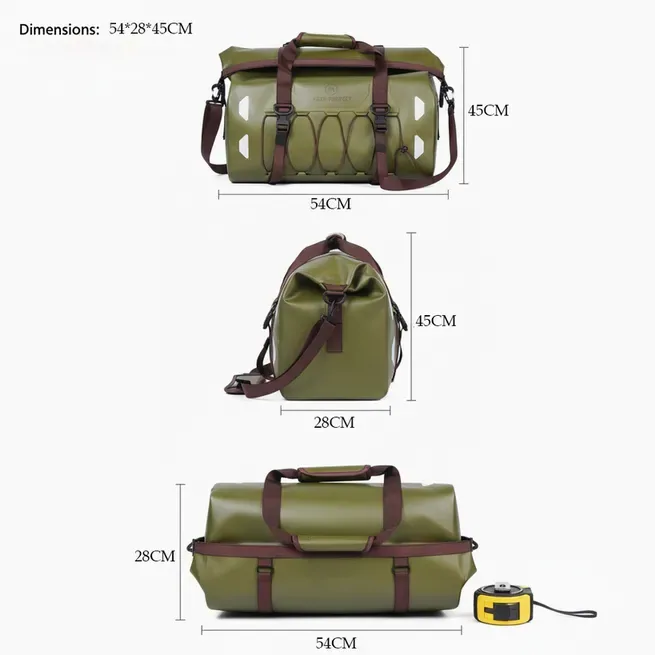
The rPET premium is real, it sits mostly in the yarn and the dyeing, and it is smaller than most buyers fear once it is expressed per delivered unit. On a 600D shell the fabric step adds a modest index premium; the visible cost is more often the lot size, the shade-matching effort and the certificate handling. Decide on performance first, then on price, then write the evidence requirement into the order.
The question "is recycled polyester worth the premium" is usually asked too early. Before price there are two questions that decide the answer: does the recycled input meet the performance the specification already requires, and can the claim behind it be evidenced for the market the bag will be sold in. Where either answer is no, the premium is irrelevant; where both are yes, the premium is usually smaller than the buyer assumed and larger than the vendor quoted.
This page is written for the buyer who has to put the trade-off in front of a colleague or a customer. It separates the four places where cost actually moves, puts bands on the performance differences that matter, and sets out how to run both options through one enquiry so that the comparison is real rather than rhetorical.
What Does the rPET Premium Actually Buy?
Three things, and only one of them is material. The first is the input: recycled polyester chip or filament commands a premium over virgin, and the size of the premium moves with feedstock availability, oil price and the season. The second is processing: recycled feedstock can be less uniform, so the spinner and the weaver run tighter controls and sometimes slower, and the cost of that lands in the conversion charge. The third is administration: chain-of-custody records, transaction certificates and the internal reconciliation work that goes with them.
What the premium does not buy is performance. A recycled polyester filament of a given denier and tenacity behaves as a polyester filament: the polymer is the same polymer. Where a difference shows up it comes from the feedstock history — the molecular weight distribution after re-melting, the presence of contaminants, the colour of the input — and those are controlled by the spinner, not by the fact of recycling.
| Cost line | Where it moves | Typical direction | How to control it |
|---|---|---|---|
| Filament or chip input | Feedstock market, oil price, season | Up for recycled | Fix the input price for the length of the programme where the mill allows it |
| Weaving or knitting conversion | Tighter process control, slower running | Slightly up | Accept it; it is small relative to the input |
| Dyeing and finishing | Shade matching on a different base colour | Up on the first lot only | Approve a shade standard early and hold it |
| Chain-of-custody administration | Certificate handling, internal reconciliation | Up, and fixed | Batch it: one certificate per lot, not per carton |
| Inspection and testing | Lot-to-lot verification | Slightly up | Test at AQL 2.5 to ISO 2859-1 Level II and add one physical test per lot |
Where Does the Premium Sit in the Cost Breakdown?
Put the premium where it belongs, which is one line of a multi-line breakdown. On a sewn bag programme the shell fabric is a substantial part of the material cost but a smaller part of the ex-works price once lining, foam, hardware, thread, labour, packing and overhead are counted. A premium at the fabric step therefore lands as a much smaller percentage at the unit-price step, and smaller again at the delivered-cost step once freight, duty and handling are added on a FOB Xiamen quotation.
This is the arithmetic that changes the conversation. A premium that reads as a large percentage of a fabric line is often one or two percent of a landed unit, and it is frequently below the movement in freight rates between two quarters. Run both options through the landed-cost view before the decision is made, because the decision made on unit price alone will be re-made on delivered cost later.
Does rPET Change the Fabric Physical Performance?
Within a specification, marginally. Tenacity and elongation of a recycled filament are usually inside the band a virgin filament of the same grade occupies, and where they differ the difference is visible in the mill certificate rather than in the finished bag. Tear and tensile behaviour of a woven shell are dominated by the construction — denier, thread count, weave — rather than by whether the filament was recycled. Where a drop is measurable it is generally small enough to sit inside the tolerance band a sensible specification already allows.
The differences that do show up are consistency-related rather than level-related. Recycled feedstock can vary more between lots, so shade consistency and, occasionally, coating adhesion vary more too. That is a specification problem with a known fix: widen nothing, but tighten the lot-control clause — approved shade standard, retained reference sample, and one physical test per lot rather than one per programme.
How Does the Premium Interact With MOQ 500 and Dyeing?
MOQ 500 pcs per style and colourway is the locked figure on this programme, and it interacts with the recycled option in a specific way: a dyed-to-order shade on a recycled base often carries a higher dye-lot minimum than a stock shade, because the mill has to commit a dyeing to a fabric it cannot sell elsewhere. Where a buyer wants both a certified input and a Pantone match to an existing product, the first lot carries the cost of that commitment and later lots do not.
Plan it rather than discovering it. Ask at enquiry whether the shade is available on a recycled base as a stock colour, and if it is not, ask what the dye-lot minimum is and whether a shade standard can be approved on a lab dip rather than on a full lot. Where a repeat programme is involved, a run at 300 pcs can be discussed, but a recycled input re-dyed for a 300-pcs run will cost more per unit than the same run on a stock shade.
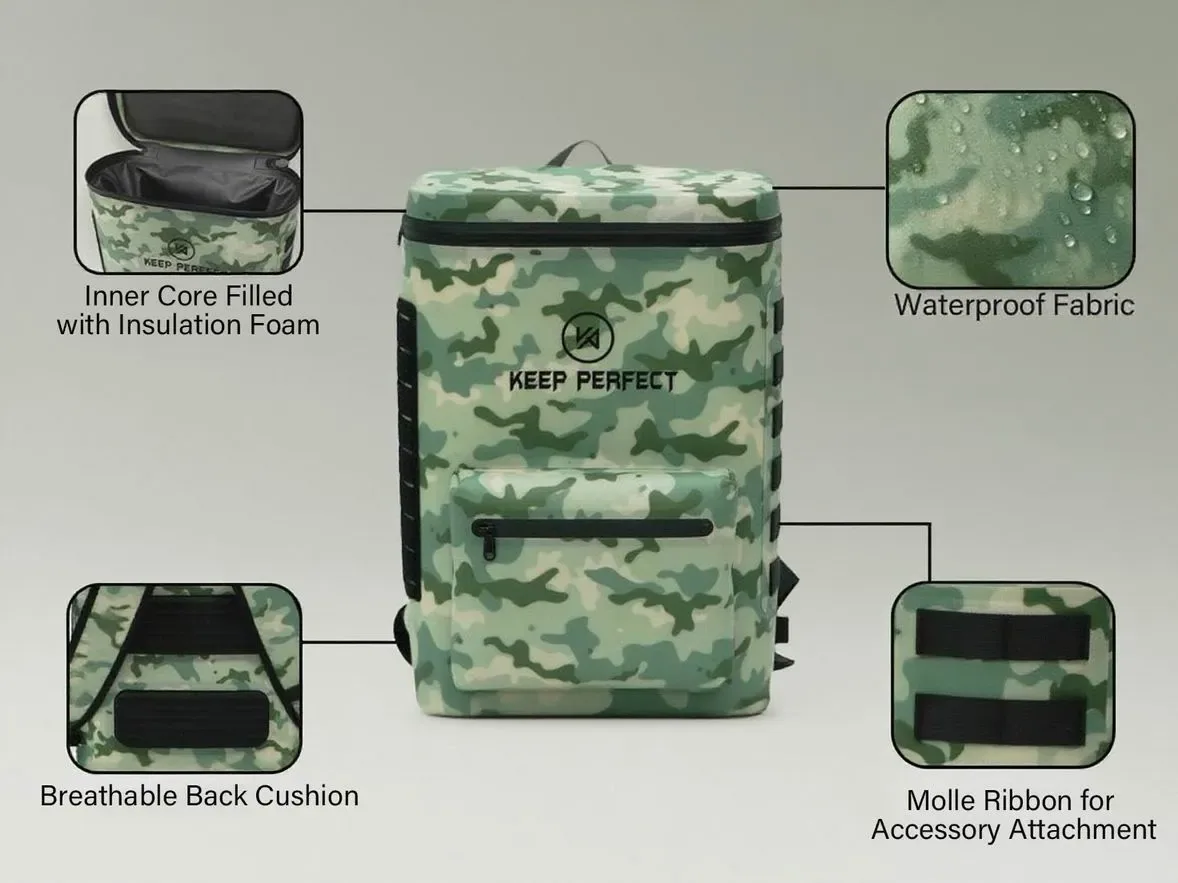
What Does the Premium Do to Lead Time?
Less than buyers assume, and then more than vendors admit. Sampling is 6-10 working days from a signed-off tech pack, and a recycled shell does not change that where the fabric is a stock item. Where the shade has to be dyed to order on a certified base, expect the sampling window to move toward the 12-15 day end because the lab dip and the shade approval sit inside it. Bulk production is 35-50 days from written sample approval, and the recycled input does not change the sewing or the packing time.
What does change is the front end: the fabric has to be booked, and a certified base in a non-stock colour is booked against a mill slot rather than pulled from a shelf. Where the programme has a fixed launch date, book the fabric at the same time as the sample is approved, and write the fabric booking date into the schedule as a milestone rather than assuming it happens in parallel.
When Is Virgin Polyester the Defensible Choice?
Three situations. Where the specification is at the edge of what the construction can deliver and the risk of lot-to-lot variation is unacceptable — a high-load strap attachment, a seam that carries the whole weight of a filled cooler bag. Where the end use demands a colour or a finish that the certified base cannot hold, for example a very pale shade where base-colour drift between recycled lots would be visible on the shelf. And where the buyer cannot collect the evidence: a recycled input with no certificate is simply an un-certified input, and the premium buys nothing claimable.
The third case is the common one and it is worth stating plainly. If the programme cannot hold a transaction certificate for the lot, buying recycled material is a private decision, not a marketable one. It may still be the right decision for internal reporting, but it cannot appear on the product, and the premium should then be justified on performance grounds alone.
How Do You Quote Both Options Without Confusing the Buyer?
Quote them as two lines on one sheet, with the same everything else: same construction, same hardware, same inspection plan, same commercial terms. The only differences should be the fabric line, any dyeing difference, and the certificate line. Anything else that moves between the two columns is a change in the specification, and once that happens the comparison is not between recycled and virgin, it is between two different bags.
Then add a third column that nobody asks for and everybody needs: the evidence column. For each option state what document comes with the goods, who issues it, and what it permits you to print. A decision made on price and evidence at the same time is a decision that survives a customer question later.
- Construction
- Same denier, same weave, same coating, same finish
- Hardware and trims
- Same brand, gauge and finish on both options
- Inspection
- AQL 2.5, ISO 2859-1, General Inspection Level II on both
- Commercial terms
- T/T 30/70, FOB Xiamen on both
- Quantity
- MOQ 500 pcs per style and colourway on both
- Variable line 1
- Fabric price: recycled input premium
- Variable line 2
- Dyeing: stock shade versus dyed to order
- Variable line 3
- Evidence: transaction certificate per lot, or none
What Evidence Should Accompany Either Choice?
For the recycled option: a transaction certificate for the fabric lot, tied to the commercial invoice, plus the scope certificate of the fabric source and, where the buyer will print a percentage, an input reconciliation showing how that percentage was derived for the finished article. For the virgin option: a fibre composition declaration is enough, and a substance declaration covering the market of sale. Both options should carry the same restricted-substance position, because the recycled route does not change the chemical obligations.
Ask for the evidence at the same time as the price, not after the order. A vendor who quotes a recycled option and cannot say which document comes with it is quoting a material, not a claim, and the difference will surface exactly when it is most expensive.
How Should the Decision Be Recorded for a Reorder?
Write a one-page decision record: the option chosen, the reason, the fabric source, the certificate number, the shade standard reference, and the test results for the first lot. On the reorder, the record is the specification. Without it the second order becomes a fresh enquiry, and a fresh enquiry on a certified input means a fresh certificate, a fresh shade approval and often a fresh premium negotiation.
Two controls belong in the record. The first is a substitution clause: any change of fabric source or certificate holder triggers written notice and a re-test. The second is a retained reference sample from run one, held against run two, because on a recycled base the reference sample is the only practical way to detect drift that no certificate will report.
Deciding between recycled and virgin polyester
- Decide on performance and evidence first; the premium is the third question, not the first.
- The premium is a fabric-line event and roughly an order of magnitude smaller at the delivered-unit level.
- Recycled input changes consistency more than it changes level: control the lot, not the number.
- A recycled input with no certificate cannot be printed as a claim — it becomes a private decision.
- Quote both options on one sheet with the evidence column filled in, then record the decision for the reorder.
| Decision factor | Recycled polyester | Virgin polyester | What decides it |
|---|---|---|---|
| Physical performance | Inside the same band for the same construction | Reference | The tolerance band the specification allows |
| Lot-to-lot consistency | Wider, especially in shade | Narrower | Whether a shade standard is held |
| Price stability | Moves with feedstock availability | Moves with oil price | Which market the buyer can absorb |
| Evidence load | Transaction certificate per lot | Composition declaration | Whether a claim will be printed |
| Lead time | Longer where dyed to order | Shorter on stock shades | The launch date |
| Reorder control | Reference sample plus certificate index | Reference sample | Whether a record exists |
How Does the Premium Behave Across a Three-Year Programme?
Over a first year the premium is a decision; over three years it becomes a planning question. Feedstock availability moves, and the spread between recycled and virgin polyester has widened and narrowed more than once. Where a programme has to hold a published price for a season, the recycled option introduces a variable the virgin option does not, and the honest way to manage it is to fix the fabric price for the duration of the season where the mill will agree, and to state the review date in the purchase order rather than leaving the price open.
The second long-run effect runs the other way. Once a programme is running on a certified base, the marginal cost of the next order falls: the shade standard exists, the source is qualified, the certificate handling is routine, and the test regime is set. Buyers who compare only the first lot systematically over-estimate the running premium and under-estimate the switching cost of going back. The decision record from run one is what produces that effect, which is why it is worth the hour it takes.
Thresholds, lists and wording rules change when a regulation or a standard is amended. Confirm every figure against the current official text before you rely on it, and ask your importer of record to confirm the version that applies in the destination market.
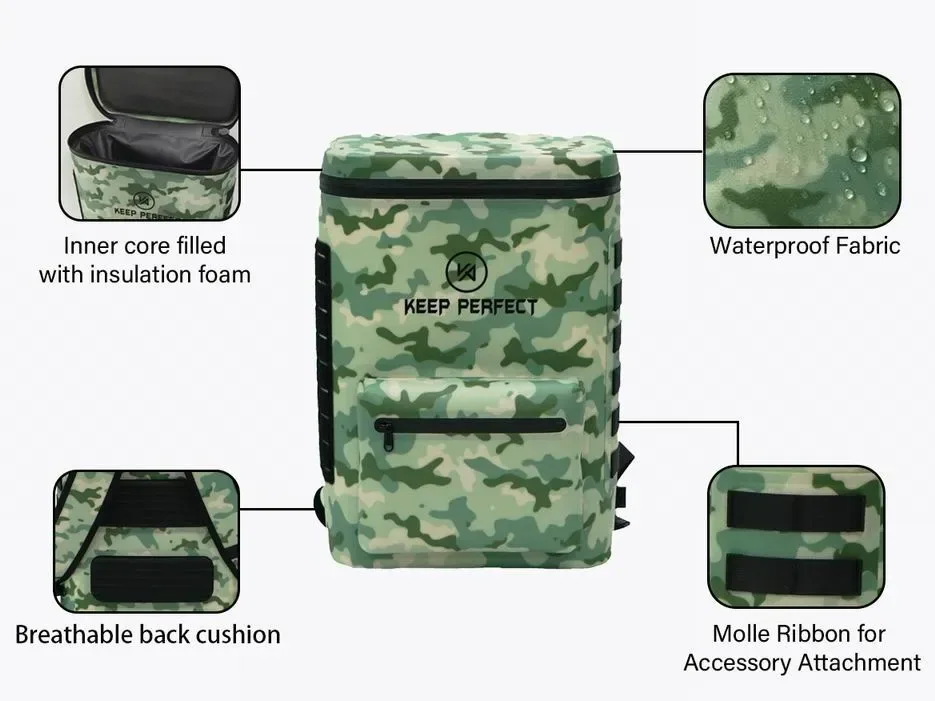
Ask for both options on one sheet
Send the construction, the shade and the quantity. You get a two-column quotation with the evidence column filled in, within one business day.
Frequently Asked Questions
Is recycled polyester more expensive than virgin?
Yes at the fabric line, and by less at the delivered-unit level once freight and duty are counted. The premium moves with feedstock availability, so ask for it as a current figure rather than a rule.
Does rPET perform as well as virgin polyester?
For the same denier and construction, the difference usually sits inside the tolerance band a sensible specification already allows. The bigger difference is lot-to-lot consistency, particularly in shade.
Why does dyeing cost more on a recycled base?
Because the base colour varies more between lots, so the dyer has more work to hit a shade standard, and a dyed-to-order shade on a certified base often carries a higher dye-lot minimum.
Does a recycled shell change the MOQ?
No. MOQ stays at 500 pcs per style and colourway. What changes is the dye-lot minimum behind a non-stock shade, which is a mill figure, not a sewing figure.
Does a recycled shell change the sampling window?
Not for a stock shade: sampling stays at 6-10 working days. A dyed-to-order certified shade moves the window toward the 12-15 day end.
Does it change bulk production time?
No. Bulk production stays at 35-50 days from written sample approval. The front end moves, because certified fabric has to be booked against a mill slot.
Can I claim recycled content if I have no certificate?
No, not on the product. Without a transaction certificate the input is simply un-certified material, and the claim cannot appear on the bag, the label or the listing.
When is virgin polyester the better engineering choice?
Where the construction is at the edge of its load capacity, where a very pale shade would show base-colour drift, or where the programme cannot collect the evidence.
How do I control consistency on a recycled base?
Approve a shade standard on a lab dip, retain a reference sample from run one, and run one physical test per lot rather than one per programme.
Does the recycled route change chemical compliance?
No. Restricted-substance obligations are the same, and they are answered by a declaration or a test report, not by a recycled input certificate.
Should I quote both options to my customer?
Yes, on one sheet, with everything except the fabric line identical, plus a third column stating what each option permits you to print.
What goes into the decision record for a reorder?
The option chosen, the reason, the fabric source, the certificate number, the shade standard reference and the first-lot test results.
Does a substitution of fabric source matter?
Yes. Any change of source or certificate holder should trigger written notice and a re-test, because the certificate and the shade standard both sit behind the original source.
Should I fix the fabric price for the season?
Where the mill will agree, yes. The recycled premium moves with feedstock availability, and a fixed fabric price with a stated review date is easier to plan against than an open one.
Does the premium fall on later orders?
The running premium often does, because the shade standard, the qualified source and the certificate routine already exist. The switching cost of going back is the part buyers forget to price.
People Also Ask
Is recycled polyester more expensive?
At the fabric line yes, and at the delivered-unit level only slightly. Ask for a current figure because the premium moves with feedstock availability.
Does rPET last as long as virgin polyester?
For the same construction, yes within tolerance. The practical difference is consistency between lots rather than the level of performance.
Can I claim recycled content without a certificate?
No. A claim needs a transaction certificate for the lot; without one the material is simply un-certified.
Does a recycled shell change lead time?
Only where the shade has to be dyed to order on a certified base; bulk production stays at 35-50 days from sample approval.
What is the MOQ for a recycled fabric programme?
MOQ stays at 500 pcs per style and colourway, with a repeat run at 300 pcs open to discussion.
Sources and further reading
Every figure on this page is either our own programme data or attributed below. Open the originals before you write them into a specification.
- Global Recycled Standard and the recycled-input standard familyTextile Exchange
- CBI — European market requirements for manufactured consumer goodsNetherlands Enterprise Agency (CBI)
- ISO 2859-1:1999 — sampling procedures for inspection by attributesInternational Organization for Standardization