Bag Sample Approval Checklist: 20 Points to Confirm Before You Sign
A sample approval is the document that fixes what bulk has to match, and it is usually given as a message rather than as a checklist. Twenty points, each with a method and a pass condition, is what turns an approval into a specification bulk can be measured against.
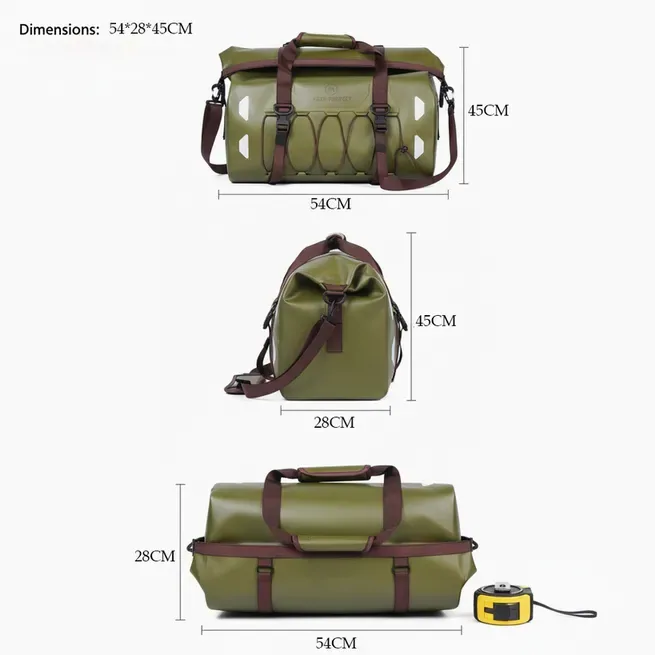
Confirm the sample in five groups: dimensions and capacity; materials and colour; construction and strength; hardware and trim; and packing and marking. Twenty points, each with a method and a pass condition, recorded against the approved sample and signed in writing. An approval without that record is an opinion, and an opinion is what a bulk dispute turns on.
The approval sample is the single most important artefact in a programme. It is what the buyer agreed to, it is what bulk has to match, and it is what an inspector compares against. It is also, more often than it should be, approved in a message that says the sample looks good.
That message settles nothing. It does not say which dimensions were checked, it does not say what tolerance applied, and it does not say what the approved sample physically is. When bulk arrives 6 mm out on a panel, the message is the only record and it supports either reading.
The checklist below is the other route. Twenty points, grouped in five, each carrying four fields: the point, what is confirmed, how it is confirmed, and what counts as a pass. It is a table rather than a document, and it takes an hour to fill in on a first sample.
What Is a Sample Approval and What Does Signing One Commit?
It is the written agreement that the sample as it stands is what bulk has to match. Signing it starts the bulk clock, it fixes the specification as it was built rather than as it was written, and it moves the cost of any later change to whoever asks for the change.
The commitment is larger than it reads. Because the sample becomes the reference, anything on it that was not intended becomes a requirement: a stitch colour that was chosen because it was in the machine, a hardware finish that was available that week, a packing method that suited one carton. Where the sample and the pack disagree, the sample usually wins.
Which is why the checklist matters more than the signature. The purpose of confirming twenty points is not to find faults, it is to make sure that what is being approved is what was intended before the signature makes it binding.
How Is the Checklist Built and Who Fills It In?
Five groups of four, in the order a sample is physically handled: measure it, look at it, pull it apart, work the fastenings, and pack it. That order matters because it follows the sample rather than the specification, and it means one pass over the bag catches everything rather than several.
It is filled in by whoever receives the sample, and it is worth having a second person check the measurements. A single reader measuring a panel alone makes the same error on every unit and approves it consistently, which is the version of this that reaches bulk.
The record itself is a table with a result column: pass, fail, or a figure. A fail is not a rejection, it is a note against that point with what has to change, and the revised sample is then checked on that point rather than on all twenty.
What Are the First Five Points: Dimensions and Capacity?
External dimensions against the pack, taken by the same method the pack states: flat, or stuffed, or measured on a form. The method matters more than the figure, because a soft bag measured flat and the same bag measured stuffed differ by more than the tolerance on the pack.
Then the internal dimensions that matter to the customer: what the bag actually holds. Capacity is the point most often left unconfirmed and most often complained about, because a bag that meets every external dimension can still fail to hold the item it was designed around.
The fifth point is weight. It costs nothing to measure, it is the first sign of a material substitution, and it is the figure that moves the freight. A sample that is 8 per cent heavier than the pack assumed is worth a question before it becomes a container.
| Point | What is confirmed | How it is confirmed | What counts as a pass |
|---|---|---|---|
| 1. External dimensions | Length, width and height against the pack | A tape or calipers, by the stated method, on a flat and on a stuffed bag | Within the stated tolerance, by the stated method |
| 2. Internal dimensions | The cavity, and what it holds | A tape inside the bag, then the intended contents | The intended contents fit with the closure closed |
| 3. Capacity | Volume or item count | The stated method: water volume, or the intended load | Meets the stated figure or holds the stated count |
| 4. Symmetry and lie | Whether the bag sits square and flat | Set it on a flat surface and look at all four corners | Sits square, no twist, no rocking |
| 5. Weight | Unit weight against the pack and the BOM | A scale, on an empty bag, to the nearest gram | Within the tolerance on the pack |
What Are Points Six to Ten: Materials and Colour?
The shell against the specified reference: the cloth, the coating, the denier and the finish. A shell is the most expensive line on the BOM and the easiest to substitute at the same weight and hand, so it is worth confirming against a held swatch rather than against a memory.
Then every trim colour against the trim card. Webbing, thread, binding, zip tape and hardware finish are five materials and none of them takes dye the same way as another, so five separate comparisons rather than one overall impression.
The tenth point is the hand and the appearance after handling. A shell that creases badly, a coating that marks when it is folded, or a print that cracks at a fold are all visible on the sample and all invisible on a spec sheet. Where the product will be folded in packing, fold it.
| Point | What is confirmed | How it is confirmed | What counts as a pass |
|---|---|---|---|
| 6. Shell cloth | Cloth, coating, denier and finish | Against a held swatch, under the same light | Matches the swatch and the specified reference |
| 7. Lining cloth | The specified lining and its colour | Against the swatch, and the weight against the BOM | Matches, and the weight is within tolerance |
| 8. Trim colours | Webbing, thread, binding and zip tape | Against the trim card, component by component | Every component matches its own reference |
| 9. Hardware finish | Plating colour and coverage | Against the approved part, under the same light | Matches the approved part and has no bare edge |
| 10. Hand and fold | How the cloth behaves when handled | Fold it, crease it and open it, as packing will | No marking, no cracking, no permanent crease |
What Are Points Eleven to Fifteen: Construction and Strength?
The stitch schedule against the pack: stitches per inch on each named seam, the stitch type, and the thread. A seam is the most common structural failure on a bag and it is specified by a count, so it is confirmed by counting.
Then the load points. Every strap anchor, handle and divider is pulled by hand and, where the pack carries a figure, by a spring balance or a tensile machine. The hand pull finds the gross failures; the figure finds the ones that fail in service.
The fifteenth point is the seam type at each location rather than overall. A bound seam, a turned and topstitched seam and an overlocked internal seam are three different constructions and a bag can carry all three. Where the pack names them by location, the sample is confirmed by location.
| Point | What is confirmed | How it is confirmed | What counts as a pass |
|---|---|---|---|
| 11. Stitch count | Stitches per inch on each named seam | Count over an inch, on the seams the pack names | Within the stated range on every named seam |
| 12. Stitch type | Lockstitch, chainstitch or overlock, by place | Look at the seam on the inside and the outside | Matches the construction note by location |
| 13. Load points | Strap anchors, handles and dividers | A hand pull, then a measured pull where a figure is written | Holds the stated figure, and the failure is not at the anchor |
| 14. Seam type by location | Bound, turned or overlocked, where stated | Compare against the construction note | Matches at every location the pack names |
| 15. Internal finishing | Binding, raw edges and exposed seams | Turn the bag inside out and look at every seam | No raw edge where the pack specified a bound one |
Five things to hold physically against every future run
- The approved sample, tagged with its revision and its date.
- A swatch of the shell and of the lining, on one card.
- A trim card carrying every component in the approved colour.
- One of every hardware part, off the approved sample.
- The approved artwork proof, on the actual cloth.
What Are Points Sixteen to Twenty: Hardware, Trim and Packing?
Every fastening is worked: every zipper is run end to end five times, every buckle is opened and closed five times, every snap is pulled. Five cycles finds the part that binds, and one cycle does not.
Then the decoration against the approved proof: placement within the stated tolerance, colour against the proof, and adhesion at the edge. Adhesion is worth a deliberate pull at a corner, because a transfer that lifts at the edge on the sample lifts across the panel in service.
The last two are about the carton rather than the bag. The packing method and the carton quantity decide whether the bag arrives as it left, and a sample approved without its carton has approved half the product. Where the programme has a drop or stacking requirement, the packed sample is the one to test.
| Point | What is confirmed | How it is confirmed | What counts as a pass |
|---|---|---|---|
| 16. Fastenings | Every zipper, buckle and snap | Five full cycles on each one | Runs cleanly every time and latches every time |
| 17. Decoration placement | Position against the proof | Measure from the stated origin, in the stated axes | Within the stated placement tolerance |
| 18. Decoration adhesion | Whether the mark stays on | A deliberate pull at a corner and at an edge | No lift at the edge, no crack at a fold |
| 19. Packing method | How the bag is folded, wrapped and boxed | Pack one as bulk will be packed | No crease that does not come out, no scuff |
| 20. Carton and marking | Quantity, dimensions and the shipping mark | Count, measure and read the carton | Matches the packing specification and the mark list |
How Is a Point Recorded When It Fails?
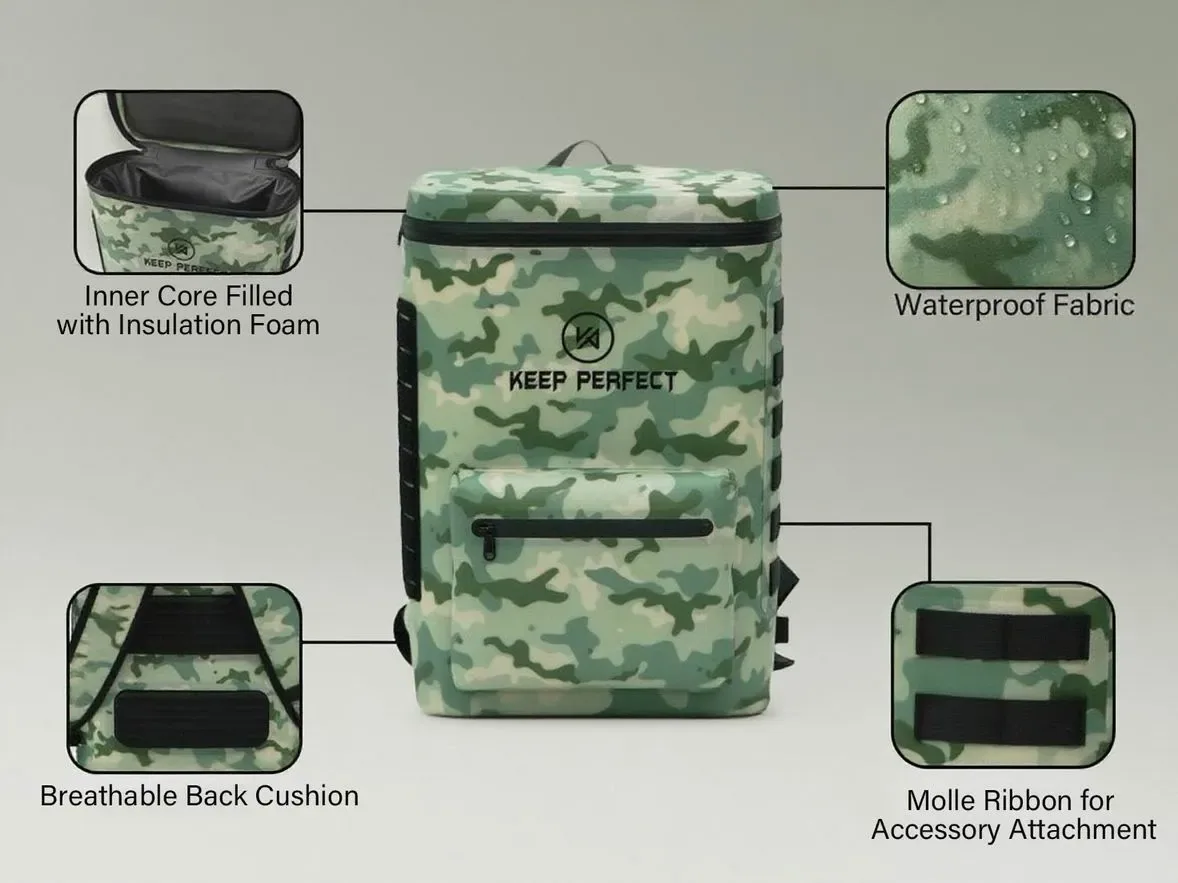
As a note with three parts: what was measured, what the pack said, and what has to change. A fail recorded as a complaint is not actionable and a fail recorded as a measurement is, because the second version tells the sample room what to do.
The second discipline is to re-check only the failed points on the revised sample, but to record that the others were not re-checked. Where a revision changes the pattern, a change on one point usually moves another, and a record that says which points were not re-checked is what lets somebody notice.
The third is to keep the failed samples. A first sample, a second sample and the approved sample tell the story of the development, and where a bulk dispute arises months later, the sequence settles what was intended faster than any message thread.
What Does a Written Approval Have to Contain?
Five things. What is approved, identified so it cannot be confused with another sample — a revision, a date and a photograph. What it was approved against — the pack revision. What tolerance applies, where the pack states one. What is still open, if anything is. And the date the bulk clock starts.
That last one is the commercial point. Bulk production runs 35-50 days from written sample approval, and a message that says the sample looks good without a date is a message that leaves the start date disputed. Where the buyer has a date in mind, the approval is the document that starts it.
The fifth is worth restating because it is the one that gets skipped: what is still open. A sample approved with three known issues and no note about them is a sample approved as it stands, and the three known issues are now requirements.
How Does the Approved Sample Reach Inspection?
As the physical reference the inspection is read against. The sample size is drawn from ISO 2859-1 at General Inspection Level II with an AQL of 2.5, and every defect found is judged against the approved sample rather than against a description of it.
The practical discipline is to send the sample, or a set of photographs of it with measurements, to the inspector before the inspection rather than after. Where an inspector has no reference, an appearance defect is judged on personal judgement, and two inspectors will not agree.
The third point is that the sample has to be the same one. Where a programme approves one sample and ships a reference from a later revision, the inspection reads the wrong standard and the result is not defensible in either direction.
What Is the Difference Between a Proto Sample and an Approval Sample?
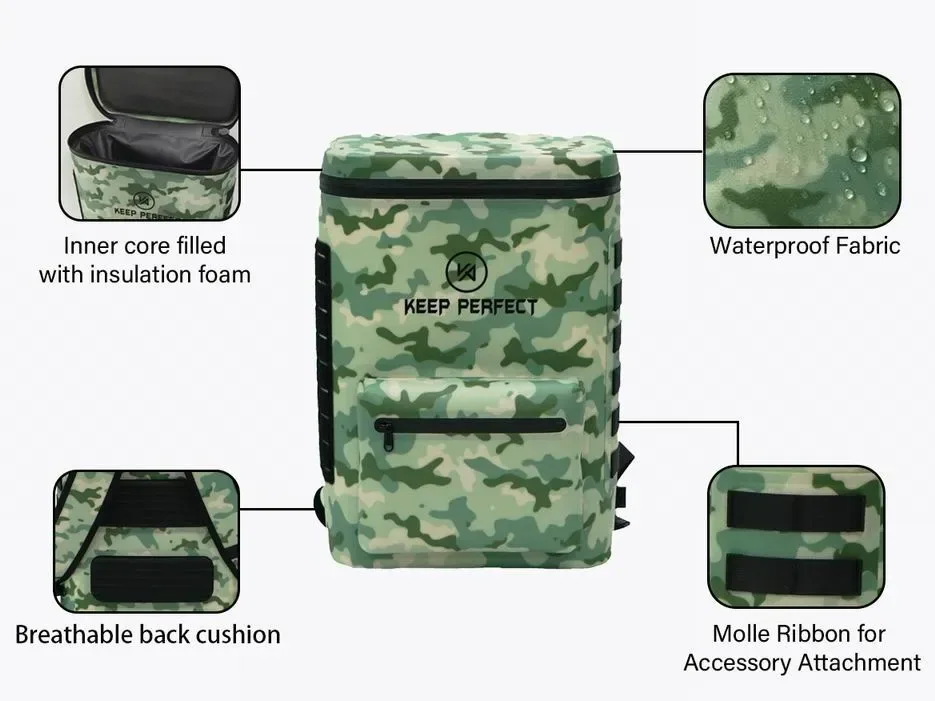
A proto sample is a development artefact: it answers whether the product can be made and what it reads as. An approval sample is a commercial artefact: it fixes what bulk has to match. The two are often the same physical bag, and they are never the same document.
The distinction matters at the point of sign-off. A proto sample is approved against an intention, and it is normal for it to carry notes about what will change. An approval sample is approved against a specification, and it carries no notes because what is on it is what bulk will be.
Where a programme moves from proto to bulk on the same physical sample without a second confirmation, the notes on the proto become the unwritten specification for bulk. That is the failure the checklist is designed to prevent.
What Is the Short Rule for Signing Off a Sample?
Confirm twenty points before the signature rather than after it, and record each one as a measurement rather than as an impression. What is signed becomes the reference, and a reference that was never measured is an opinion bulk will be judged against.
Then hold the sample. One tagged bag, kept on each side, settles more disputes than any document, and it is the least expensive artefact in the whole programme.
Get the 20-point checklist filled in on your sample
Send the sample and the pack. You get twenty points confirmed, each with a method and a pass condition, in one table.
Frequently Asked Questions
What is a bag sample approval?
The written agreement that the sample as it stands is what bulk has to match. It starts the bulk clock and fixes the specification as built.
What should a sample approval contain?
What is approved, what it was approved against, the tolerance, what is still open, and the date the bulk clock starts.
How many points should a sample checklist cover?
Twenty, in five groups: dimensions and capacity, materials and colour, construction and strength, hardware and trim, and packing and marking.
How should a failed point be recorded?
As three parts: what was measured, what the pack said, and what has to change. A measurement is actionable and a complaint is not.
Why does the measurement method matter on dimensions?
Because a soft bag measured flat and the same bag measured stuffed differ by more than the tolerance on the pack.
Should capacity be confirmed on a sample?
Yes. A bag that meets every external dimension can still fail to hold the item it was designed around.
How many cycles should a zipper be worked on a sample?
Five full cycles. One cycle does not find the part that binds.
What is the difference between a proto and an approval sample?
A proto answers whether the product can be made; an approval fixes what bulk has to match. The first carries notes and the second does not.
Does the packing method belong on the checklist?
Yes. The last two points cover the packing method and the carton, because a bag approved without its carton is half-approved.
How does the approved sample reach inspection?
As the physical reference the inspection is read against, sent to the inspector before the visit rather than after it.
What happens when bulk starts?
Bulk production runs 35-50 days from written sample approval, and the approval is the document that starts the clock.
What inspection standard applies to bulk?
ISO 2859-1 at General Inspection Level II, with an AQL of 2.5.
People Also Ask
What should I check before approving a bag sample?
Twenty points in five groups: dimensions, materials, construction, hardware and trim, and packing.
What is an approval sample?
The physical bag that bulk has to match, approved in writing and held as the reference.
How do I record a sample defect?
As a measurement, what the pack said, and what has to change — not as an impression.
When does bulk production start?
From written sample approval. Bulk runs 35-50 days from that date.
Should the approved sample be kept?
Yes, tagged with its revision and date. It settles more disputes than any document.
Sources and further reading
Every figure on this page is either our own programme data or attributed below. Open the originals before you write them into a specification.
- ISO 2859-1:1999 — Sampling procedures for inspection by attributesInternational Organization for Standardization
- ANSI/ASQ Z1.4 — Sampling procedures and tables for inspection by attributesAmerican Society for Quality
- ASTM D6193 — Standard Practice for Stitches and SeamsASTM International