Anti-Microbial Fabric Claims: What Can You Say?
A treated fabric can evidence that it reduces a named organism in a laboratory, and that is a narrower statement than most buyers assume. This page sets out what the methods actually measure, which wording those results support, and where a claim stops being defensible and starts being someone else to answer for.
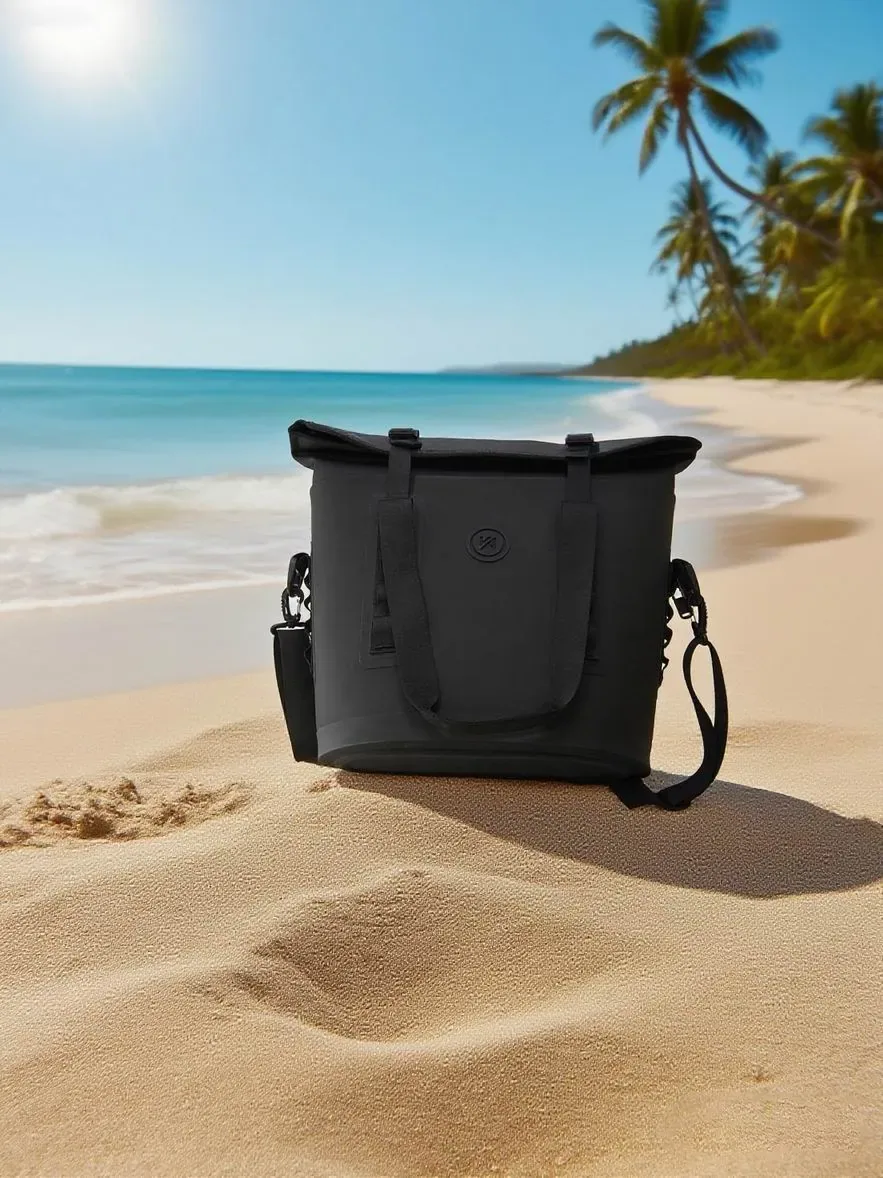
Three things have to line up before a claim is made: a result produced by a named method, a wording that result supports, and the registration position of the agent in the market being sold into. Any one of the three missing and the claim is the kind that gets challenged, usually at the worst moment.
What Does an Anti-Microbial Claim Actually Say?
That the treated material reduced a named organism under stated laboratory conditions, by an amount that was measured. It does not say the product protects anyone, it does not say anything about organisms that were not tested, and it does not say anything about conditions that were not those of the test. Most of the difficulty with these claims is scope rather than substance.
| Wording | What supports it | What it does not cover | Where it becomes indefensible |
|---|---|---|---|
| Treated to inhibit bacterial growth | A result against a named organism | Organisms not tested, and any health benefit | Once it is used to suggest the product protects the user |
| Reduces bacteria by a stated percentage | The figure from the result | Anything measured by a different method | Once the figure is quoted without the method |
| Treated with a named agent | The treatment record itself | Any performance implied by the treatment | Once a performance is implied that was not measured |
| Resists odour caused by bacteria | An odour result alongside a bacterial one | Odour from any other cause | Once it is used to imply freshness generally |
| Tested to a named method | The test report itself | A pass or fail, since these methods report a reduction | Once it is presented as a pass |
| Protects against viruses | A separate antiviral result for that organism | Bacteria, and anything not tested | Almost everywhere, unless the market registers it |
Which Methods Produce a Result?
Two are in common use for textiles and they answer different questions. A quantitative method measures the reduction against a control and reports it as a figure or as a logarithmic value. A qualitative method reports whether growth occurred along a streak, which is useful as a screen and not much use as a claim. A buyer wanting a number has to ask for the first.
How Is a Result Reported?
As a reduction against an untreated control, under stated contact conditions, for named organisms. The report carries the method, the organisms, the contact time and the figure. A result quoted without those four is a number detached from what produced it, and it is the first thing a regulator or a retailer asks about.
What Does the Result Not Cover?
Three things, mostly. Organisms that were not tested. Conditions different from the test, including the soil and the humidity a real bag meets. And duration, since a result measures a material at one point and says nothing directly about how it performs after months of use. Each omission is a reason to narrow the wording rather than to widen it.
What Is the Difference From an Antibacterial Test?
The two terms are used loosely and they are not the same thing. An antibacterial method measures a bacterial reduction. An anti-microbial claim can imply a wider range of organisms, including fungi, and each organism class needs its own result. Where a claim names a wider range than the reports behind it, the claim is broader than the evidence.
How Do Agent Types Differ?
Three families dominate: silver-based systems, quaternary ammonium compounds and organic systems that rely on a different mode. They differ in which organisms they are effective against, in how they survive laundering, and in their registration position in different markets. Those three differences decide the choice more than any performance comparison.
What Does the Agent Do to the Material?
Usually very little to strength and a little more to handle and to colour. Some treatments affect how a finish behaves, and some interact with a coating so that a water behaviour result obtained on the untreated cloth does not hold on the treated one. Approve the treated material for every property that matters rather than only for the antibacterial one.
How Long Does the Effect Last?
Until washing, abrasion or the environment removes enough of the agent. A treatment bound to the fibre lasts longer than one sitting on the surface, and a claim about durability needs a result after stated cycles rather than a result at manufacture. Ask for the figure after the number of cycles the product will actually see.
What Can Be Said in Marketing Copy?
What the results support, in the words the results support. A treated-fabric statement with the method behind it is defensible and useful. A health or protection statement is not, and in most markets it crosses from advertising into a regulated claim with a registration requirement attached.
Seven lines for a treated-fabric clause
- The agent named, with its supplier and its registration position stated.
- The method named, and the report required against that method.
- The organisms named, matching those in the report.
- The reduction figure required, stated as a minimum.
- Durability evidenced after the number of cycles the product will see.
- The claim wording agreed in writing before anything is printed.
- Every other property of the treated material re-approved on the treated coupon.
What Should Not Be Said?
Nothing that implies the product protects a person, nothing that implies an effect on organisms that were not tested, and nothing that states a result without the method that produced it. Three exclusions, and they cover most of the wording that later has to be withdrawn.
What Does the Regulator Require?
In the main markets an article making a claim that it kills or controls organisms is treated as a pesticidal claim and needs a registration behind it. A claim about the fabric reducing bacteria is handled differently from a claim about the product protecting a user. The line between them is exactly where most of the problems are, and it is worth checking per market.
How Should a Product Be Labelled?
With the treated-fabric statement, the method behind it, and nothing that implies more. Where a market requires the agent to be named on the label, name it. Where a market requires a registration number, carry it. Label wording is the part a regulator reads first, so it is the part worth agreeing before anything is printed.
What About Claims About Viruses?
They need their own result, against the organism named, and in most markets they attract a separate registration requirement. Treating them as an extension of a bacterial result is the single most common error in this area and the one most likely to require a withdrawal.
| Where a claim goes wrong | What was claimed | What the evidence supported | What it cost |
|---|---|---|---|
| Scope widened in marketing | Protection for the user | A bacterial reduction on a coupon | A withdrawal and a relabel |
| Extent of the reduction | Elimination of bacteria | A measured reduction | A complaint the evidence could not answer |
| Organisms not tested | A general anti-microbial effect | Two named organisms | A retailer review of the whole range |
| Durability assumed | Lasts the life of the product | A result at manufacture | A claim that aged badly |
| Method omitted | A percentage with no basis stated | A figure from a named method | A figure nobody could check |
| Market rules ignored | A pesticidal claim | A treated-fabric statement | A registration question in the importing market |
How Is the Treatment Applied?
Either during finishing, so the agent sits on the cloth as it is made, or afterwards by padding or spraying a made-up panel. Applied during finishing it is more evenly distributed and generally more durable. Applied afterwards it can be targeted, and it is easier to prove what was treated.
What Does It Add to Unit Cost?
A modest material charge and a test report, plus the administrative work of keeping the documentation current. On a 500-piece order the report is a real line, and it has to be in the price rather than discovered when a retailer asks for it.
How Should the Claim Be Evidenced?
With a report from a competent laboratory naming the method, the organisms, the conditions and the result, plus a report after the stated number of cycles where durability is part of the claim. Two reports carrying five facts between them, and they are the whole file.
What Should the Order Line Say?
The agent, the method, the organisms, the minimum reduction after the stated cycles, and that the treated material must meet every other property on the specification. Five items, and the fifth one is the one that keeps the treatment from undoing the rest of the cloth.
- Tie every claim to a named method and the organisms it covered.
- Ask for the reduction figure after the cycles the product will see.
- Re-approve water behaviour and colour on the treated coupon.
- Agree the label wording in writing before anything is printed.
- Check the registration position for the market being sold into.
- Keep the reports with the tech pack rather than with the material.
What Records Should Be Kept?
The two reports, the treatment record for the lot, the agreed wording and the approval of the treated coupon. Four documents, and they are what turns a claim into a documented one when someone asks a year later.
How Is It Verified on Arrival?
Draw at AQL 2.5 under ISO 2859-1 General Inspection Level II. Confirm the treatment record for the lot, and retain a treated coupon from the delivery so that a later question can be answered against the material that shipped rather than the material that was sampled. Where the claim includes durability, keep the coupon alongside the report that supports it, since the two are what a reviewer asks for together.

What Should Be Reviewed Each Season?
Whether the reports are still current, whether the treatment record still matches the agent supplied, and whether the wording being used is still the wording that was agreed. Three checks, and the third is the one that usually drifts.
Where Does the Requirement Usually Come From?
A retailer, a market rule or a buyer with a specific use in mind. Knowing which of the three is worth knowing, because each one asks for a different piece of paper and each one asks for it at a different point in the order.

The claims that hold up are the narrow ones tied to a named method. The claims that get withdrawn are the broad ones that sounded better in a meeting.
Who Usually Asks for This?
A retailer with a listing requirement, a market with a registration rule, or a buyer with a specific use in mind. Knowing which of the three is worth knowing, because each asks for a different piece of paper and each asks for it at a different point in the order.
How Should the Material Be Sampled?
From the treated lot, after treatment, and retained. Sampling the untreated base and treating a swatch afterwards proves that the agent works, which is not the same as proving that the material supplied had it. Retain a treated coupon from every delivery.
What Does the Treatment Do to Other Properties?
Handle and colour can shift, and a water behaviour result obtained on the untreated cloth does not automatically hold on the treated one. Where the specification carries a spray rating or a hydrostatic figure, re-run it on the treated material rather than assuming it carried over.
How Is It Handled at the Line?
The same as any finished cloth, with one addition: treated material should not be mixed with untreated material on the same order, because the two are indistinguishable once they are cut. Keep the lots separate on the line and record which lot went into which units.
What Should Be Checked Before a Report Is Accepted?
That the laboratory is competent for the method, that the method is the one the claim will refer to, that the organisms are the ones the claim will name, and that the conditions are stated. Four checks on one page, and any one of them missing makes the report unusable as evidence.
How Do Market Expectations Differ?
Mainly in whether a treated-fabric statement is handled as a marketing claim or as a regulated one, and that differs by jurisdiction. The same wording can be ordinary in one market and a registration question in another, so the market has to be known before the wording is agreed.
What Does a Second Laboratory Report Add?
Very little if it repeats the first, and a great deal if it is taken on the delivered lot rather than on the sample. A report on the material that shipped is the one that answers a question a year later, and it is the one worth paying for twice.
How Should the Requirement Be Communicated Internally?
As one written wording, agreed before printing, held with the reports that support it. Wording that travels by email gets paraphrased, and paraphrase is how a defensible claim becomes an indefensible one without anyone deciding anything.
What Should the Approval Record Carry?
The agent, the method, the organisms, the reduction, the durability figure, the agreed wording and the treated coupon. Seven items, and the coupon is the one that lets all the others be checked again later.
- The agent, named with its supplier and its registration position.
- The method, and the report that refers to it.
- The organisms, matching those in the report exactly.
- The reduction figure, and the cycles it was measured after.
- The wording agreed in writing before anything was printed.
- A treated coupon retained from the delivered lot.
How Should a Buyer Compare Two Treated Offers?
On the method, the organisms and the durability figure, in that order. Two offers reporting different methods against different organisms are not comparable at any price, and the difference in cost between them is usually small beside the difference in what they support.
Agree the wording before printing
Tell us the claim you want to make and the market it has to hold in, and we come back with the clause and the wording written out.
Frequently Asked Questions
What does an anti-microbial fabric do?
It reduces a named organism under stated laboratory conditions, by an amount that was measured. That is the whole of what a result supports.
Which method should I ask for?
A quantitative method that reports a reduction figure. A method that only reports whether growth occurred is a screen, not a basis for a claim.
Can I say the bag protects the user?
No. That crosses into a regulated claim in most markets and it is not supported by a fabric result of any kind.
How long does the treatment last?
Until washing, abrasion or the environment removes enough of it. Ask for a result after the number of cycles the product will see.
Does the treatment change the fabric?
It can affect handle, colour and water behaviour. Re-approve those on the treated coupon rather than on the untreated cloth.
Can an antibacterial result support an anti-microbial claim?
Only for the organisms that were tested. A wider claim needs its own results.
What about claims about viruses?
They need their own result against the organism named, and in most markets a separate registration position.
How is the treatment applied?
During finishing, or afterwards by padding or spraying. Applied during finishing it is more evenly distributed and generally more durable.
What does it add to cost?
A modest material charge and a test report, plus the work of keeping the documentation current.
What should the label say?
The treated-fabric statement and the method behind it, and nothing that implies more than the result supports.
How often does it need retesting?
Whenever the agent, the material or the market changes, and whenever the cycles the product sees change.
What records should be kept?
The reports, the treatment record for the lot, the agreed wording and the approval of the treated coupon.
People Also Ask
What does anti-microbial fabric mean?
The treated material reduced a named organism under stated laboratory conditions, by an amount that was measured.
How is anti-microbial fabric tested?
By a quantitative method reporting a reduction against an untreated control, for named organisms under stated conditions.
Can you say a bag protects the user?
No. That is a regulated claim in most markets and no fabric result supports it.
Does anti-microbial treatment last?
Until washing, abrasion or the environment removes enough of it. Evidence it after the cycles the product will see.
What should an anti-microbial label say?
The treated-fabric statement, the method behind it, and nothing that implies more than the result supports.
Sources and further reading
Every figure on this page is either our own programme data or attributed below. Open the originals before you write them into a specification.
- ISO 20743 — Textiles: determination of antibacterial activityInternational Organization for Standardization
- AATCC 147 — Antibacterial Activity of Textile Materials (Parallel Streak)American Association of Textile Chemists and Colorists
- U.S. EPA — antimicrobial pesticide registration and labellingU.S. Environmental Protection Agency